
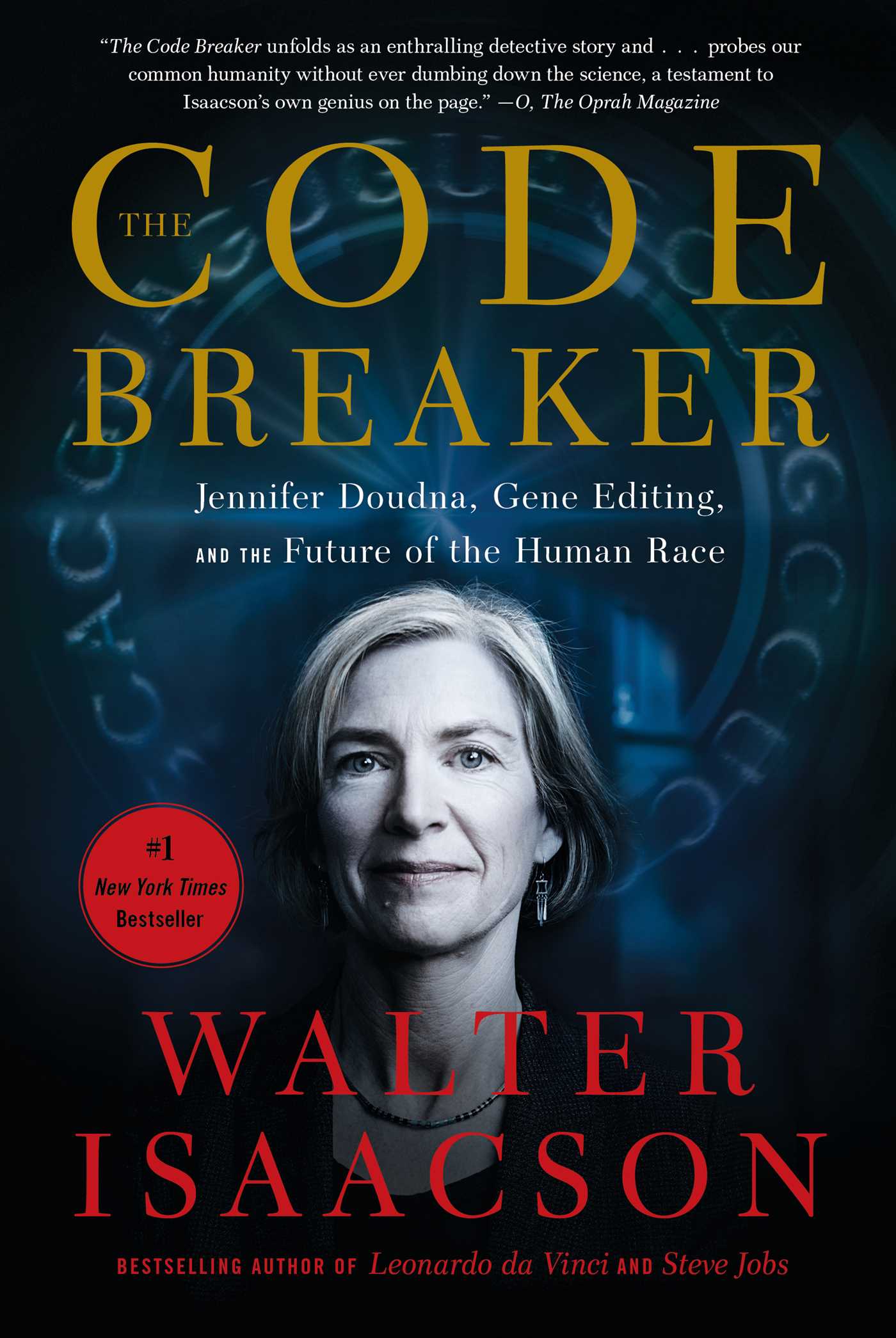
 As a horticulturist, and total science nerd, I always have a book related to the life sciences in process or on ‘deck’. I don’t understand the aversion so many prople display toward the sciences, the ridicule they so often heap on those who conduct the studies and their preference to simply take the unfounded stories and opinions of someone they ‘know’ over the studied and supported work of science.
Expertise and science are often publicly attacked as efforts by the ‘elites’ to assert control. Science they claim attempts to intentionally complicate. There is, they seem to insist, nothing of value in the work of scientists….Really? So we discredit them and cut their funding, while loudly denying that their work has any value at all. Scientists are, they claim, blind to what is obvious to anyone. They seek research grants to study frivolous topics, so that they might avoid having to get a real job. We reward ignorance.
Where do the technologies our lives depend upon come from? Yes, science is hard, especially if you can’t be bothered with understanding its complexities and how its work is done. But, because you may not understand something, doesn’t make it any less real or valuable. Where is the waste or sin in wanting to understand? It improves lives and drives our economy through the development of the technologies it has spawned. When society rejects science, the prople who do it leave, to other countries, our economy stalls and we fall behind.
Science is not anti-religion. There will always be space for the unknown, for mystery. Explanation does not eliminate the miraculousness of life. If anything does that it is ignorance and an insistance on a world thst denies all of its amazing complexity.
Science cannot deliver all of the answers. It will always spawn more qustions as it deepens our understanding. It does allow us, however, to make more informed decisions, to improve our lives if we implement it effectively, fairly and responsibly. When we don’t, that’s a failure of politics, not science.
Read this book. Educate yourself. This book speaks to how science and those who do it, work most effectively. It speaks to possibilities for our lives and our health, what we could do if we weren’t so frightened of science. It speaks to the amazing diversity of life, of what people and organisms share, how we could improve the quality of all of our lives. It examines the motivations of those doing science, the competition and necessity of collaboration. It is an exciting read as teams compete to understand and, driven by humanity’s collective need to develop better tools to defeat COVID, how cutting edge tools, and the scientists who developed them, did so. No, Trump didn’t save us. The universities and private labs did while in collaboration with some of the big pharma companies. Trump’s administration stood on the sidelines or in the way. The author does not address the political problem directly, but it is revealed in the telling of the larger story.
 GardenRiots