
Not to ‘rain on anyone’s parade’, but walking home last night at 10:30 from a neighbor’s, the air was still, it was 81F and 51% humidity…ugh. Normally, it cools off significantly here in the high desert once the sun goes down. This summer is different.
Today, August 2, we’re forecasted to break 100F again. That will be the 26th day over 90 this year, the ninth over 100F…with less than 1/4” of rain since June 1. I’ve mentioned before that our average high temp for July is 85F. We were at or below that only four days in July.
Our old normals no longer hold. They are shifting consistently higher from year to year. This is happening worldwide. Its effects are greater, and more devastating, at equatorial latitudes and polar.
It is estimated that at or above a wet bulb (W/B) temperature of 35C the human body cannot cool itself. We cool down by evaporating away sweat on our skin surface. W/B temps mimic this by placing a wet cloth sleeve around a thermometer bulb, the evaporation taking away heat in the same way. W/B temps are then cooler, ‘chilled’ by the water evaporating away, drawing heat away from the thermometer’s temperature sensitive bulb, than ‘dry bulb temps. When these rise higher than W/B 35C, our internal organs and systems begin to falter and will fail in relatively short order, depending on our state of health. Some of us will have greater tolerance than others, but all will die at these levels if they have no way to cool their core temperatures. Some argue that this begins happening below this. Many areas are already experiencing such ‘events’. Governments are still slow to act We continue to build out our cities in patterns that maximize energy use and consume resources and products from around the world which must be transported to us, removed from where they other wise occur. Profit driven businesses, still refuse to change their practices and goals, insisting that the market will solve this…the same market that has created the problem…and we ‘demand’ this, these patterns, goods and services, ever more ‘divorced’ from the places we actually live, the limits and constraints with which we’d otherwise have to live.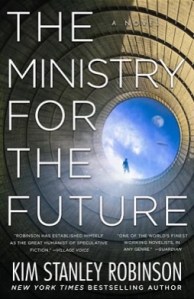
 GardenRiots