
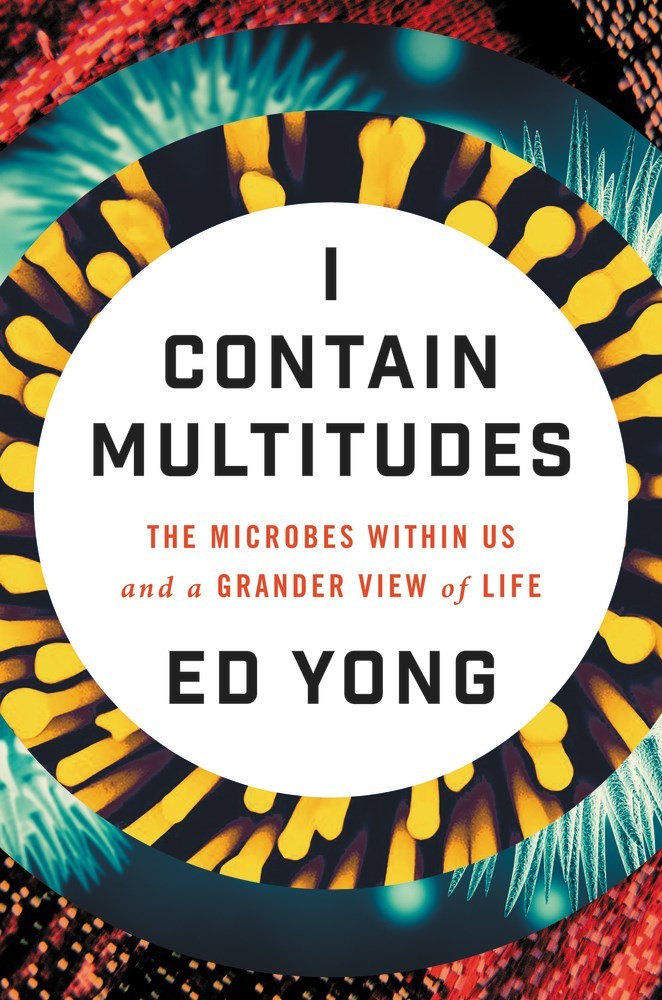
 Ed Yong’s, “I Contain Multitudes” takes a different angle into the biology of organisms, looking not so much at the functioning of the individual as it does those countless single celled organisms, protists and tiny ‘critters’ that live within and upon us, bacteria, fungi, nematodes, viruses, dust mites etc. There are bacteria living within larger, multi-celled organisms with viruses living inside these….And these are not unusual relationships. Such relationships dominate all of life. Their exception is the rare event. Together, in their multiplicity, these constitute living communities, living in the very specific ‘biomes’, found on larger, seemingly independent organisms. Numbering in the thousands, millions, billions, even trillions, these tiny residents live in dynamic symbiotic, mutualistic, parasitic and antagonistic relationships with their hosts, often filling more than one role, depending on the host, the conditions and constitution of the biotic community. Whew! Yong’s book introduction, of the reader to this world, should lay to rest the idea that ‘we’ are truly ‘individuals’. The countless microbes that occupy and ‘invade’ us, have previously been considered unnecessary or consistently compromise our health, sources of disease.…The idea that we can ‘sterilize’ our way to better health denies the necessity of these organisms, or at least most of them, in the health of individuals.
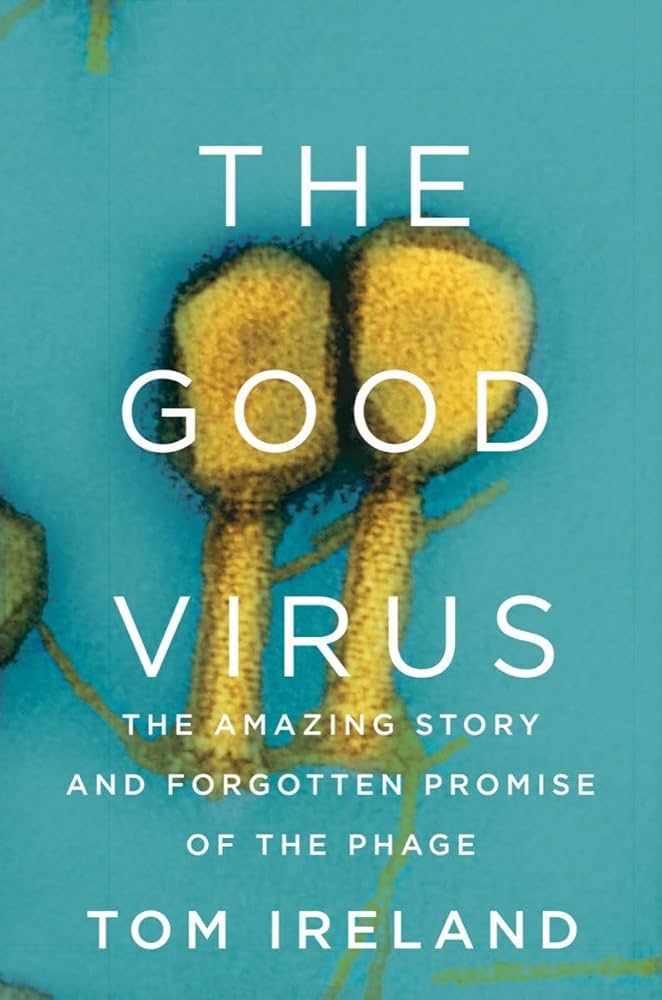
No, he presents a variety of cases which illustrate the absolute dependence of an individual on these microbes, bacteria that breakdown our otherwise indigestible foods into forms that we can then absorb and utilize. Others that may live on our skin, defending us from attack, by providing a defense against other microbes that could otherwise infect us. Their are microbes that infect other microbes (see Martinez Arias’ book, “The Good Virus”), tiny ‘organisms’ that infect that disease’s vector, killing it before we become infected or blocking the disease causing microbe from infecting the vector, keeping it free from the organism which can cause disease in us. Continue reading
 GardenRiots