Monthly Archives: May 2026

Dry Canyon Drought May 26: What’s Happening and What’s Our Role

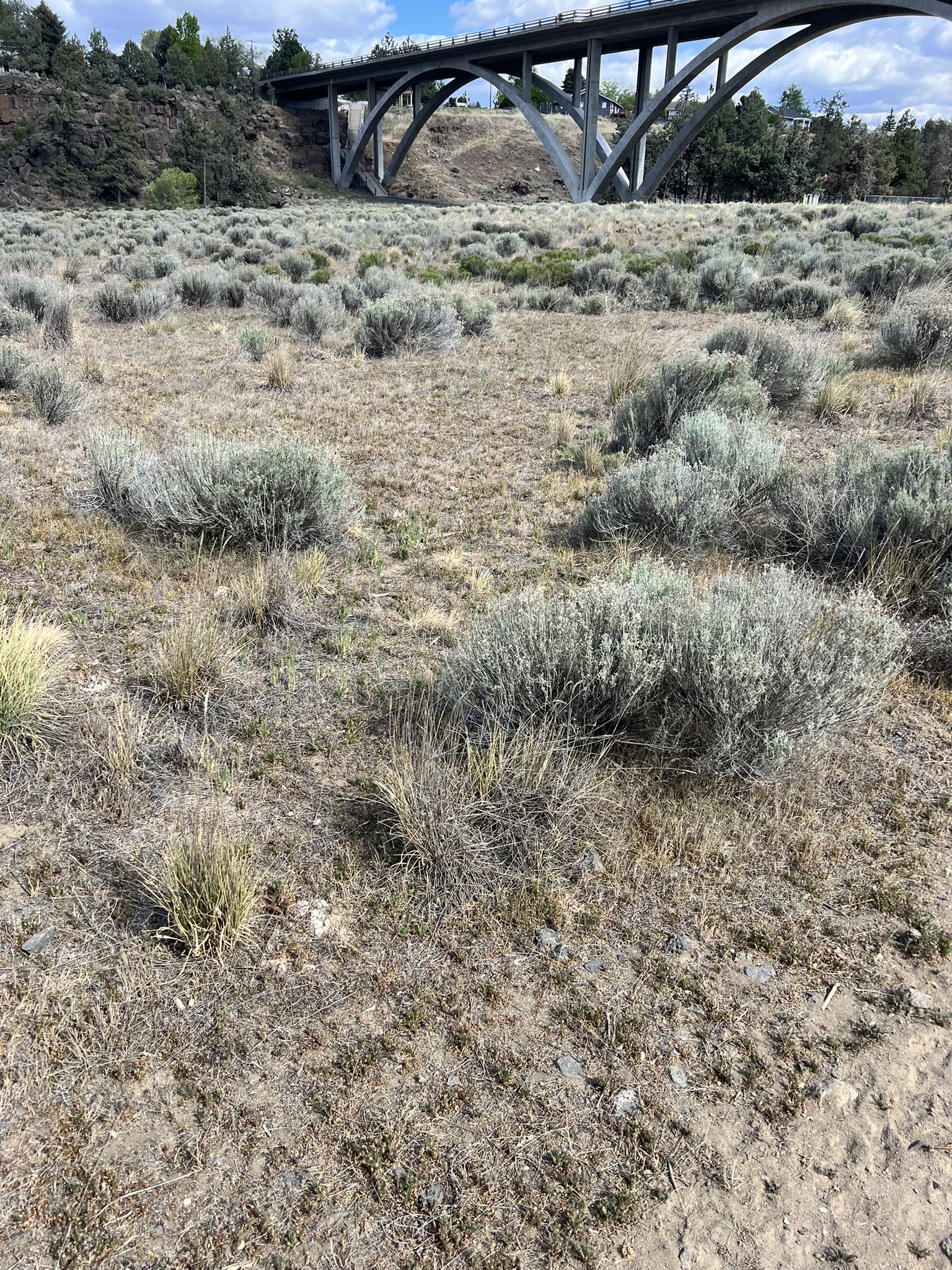
Taken May 17. Spare, limited growth, looking more like July than May. Dominated by the Gray, Ericameria nauseous and Green Rabbitbrushes, Chrysothamnos viscidiflorus..

We all know its been a drier and warmer than average Spring. In town people are often exclaiming about how wonderful its been, but in the Canyon the combination of dryness and unseasonable warmth are showing, if you know how and where to look. Dry Canyon has already taken on that ‘sere’ look, the soil and plants drying prematurely, annuals, the survivors that they are, seemingly knowingly rushing through their life cycles flowering at an earlier and shorter stage. The difference this year is subtle or maybe even unnoticed by many visitors. Whether you see it or not depends upon how many of the plants you know, where they should be and their ‘phenology’…what? Their growth schedule. Every plant species operates on its own internal ‘calendar’ when their seeds germinate, when those perennial growers ‘wake up’ and initiate spring growth, how they progress through the season, when they form their flower buds (and yes, grasses do flower, they just do so with flowers we don’t recognize, without petals, having other structures0, when their ‘fruits’ and seeds ripen. Continue reading
Tree Planting Problems at Dry Canyon Village

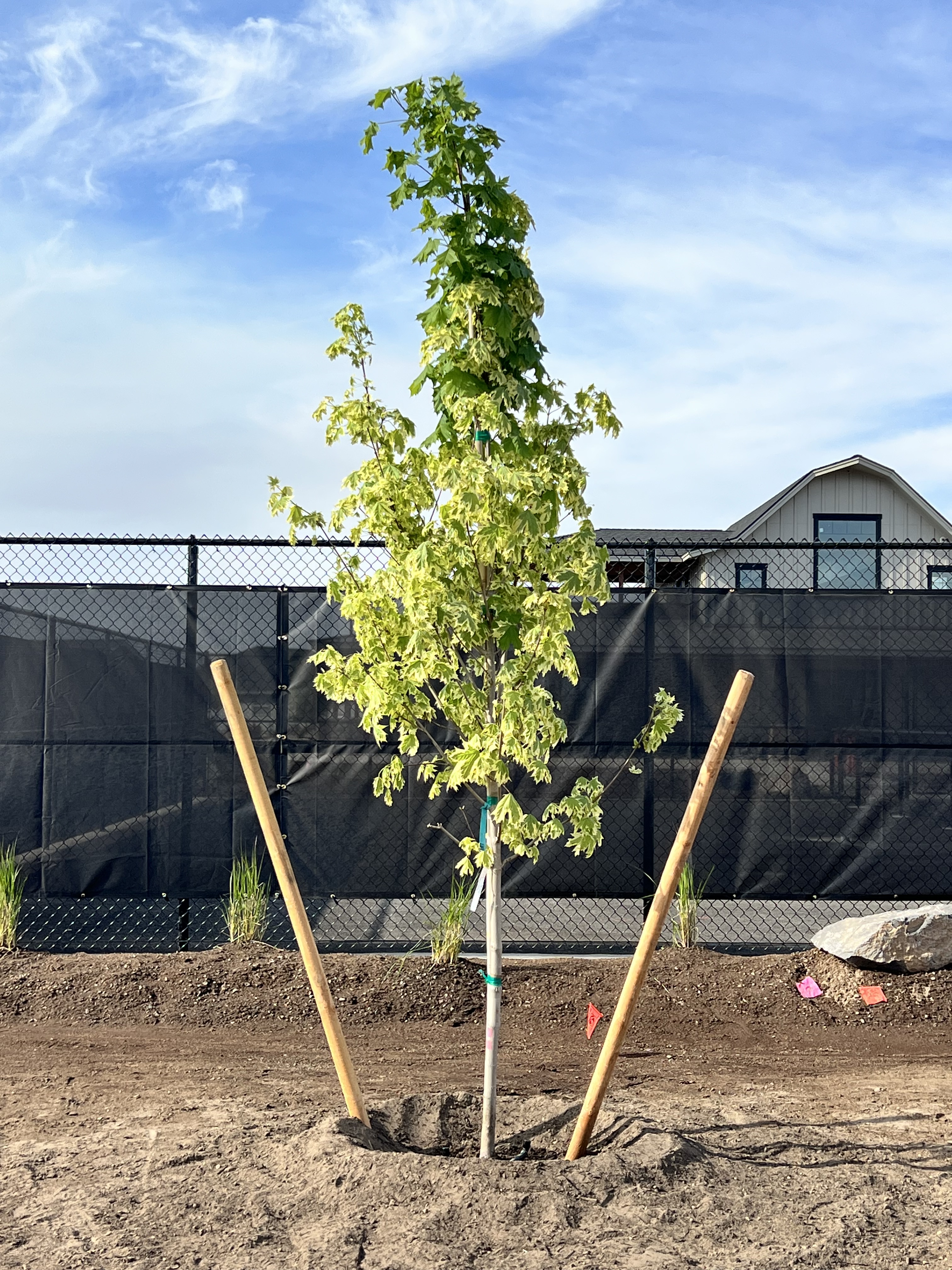
The reversion on this competing leader threatens to dominate the canopy if not removed. The planting appears good, straight trunk, well staked. It is always what is below ground, that is not readilly visible, that’s critical.

When I was still working for the city of Portland Parks, one of my jobs, for a number of years, was to do design reviews and construction inspection on big capital Parks projects being built from scratch downtown including South Waterfront, Caruthers, Jamison Square, Director’s Square,Tanner Springs and The Fields. I’d attend meetings with our project managers and the landscape architects, charged with assessing the appropriateness of their plant choices given their requirements, the site conditions, our capacity to provide the necessary maintenance over time, whether their combination presented conflicts, without commenting on the aesthetic of their designs, which was considered outside my expertise. Sometimes I was asked to do the same for projects in other areas. I’d visit the project sites regularly to observe prep work, planting and follow-up care, suggesting changes to the contractor and writing up my report. The architects generally approved, or rejected, the plant stock coming into a job, accepting or rejecting substitutions. It was my job to make sure that plants were properly cared for on site before planting, the prep appropriate, that they were planted properly and cared for over the first year of establishment. Continue reading