

(I wrote this piece a few years ago. It was last printed in the Fall 2012 HPSO Bulletin. It is updated here for my Blog.)

Cut from a piece of sheet metal the failure point is at the bottom of the ‘arrow’. Yes, I know this is a square point, but the are built using the same process.
I broke my shovel at home last week digging out a smaller-growing bamboo, Semiarundinaria yashadake ‘Kimmei’. It was at least ten years old, the shovel that is, and I broke it the way most people do, prying with it. I’m not nearly as hard on shovels as I used to be; I know their limits, but I was tired of this shovel. It was one of those thin-gauge “stamped” shovels that hardware stores sell these days to consumers, inexpensive and cheaply made; the kind of tool a person could buy many times over the course of their gardening life. I have broken several in the past jumping on them, with two booted feet, while trying to cut through heavy soil and roots, or like I did here, levering to hard before the object of my attention was adequately cut free of its earthly ties. Stamped shovels flex due to their thinness. Any flexion causes an inefficient transfer of energy when attempting to drive the blade against resistance. Think wasted energy and more effort. Stamped shovels have a soft fold where the smooth curve of its bowl bends into the vee that becomes the sleeve that then wraps around the shovel handle. This shaping of the blade adds some rigidity that the same material flat doesn’t possess. Any such bend in a piece of metal, however, becomes the weak point. This is where the metal breaks. Finding a quality replacement requires special ordering or buying through someone who serves the nursery or landscape trades.



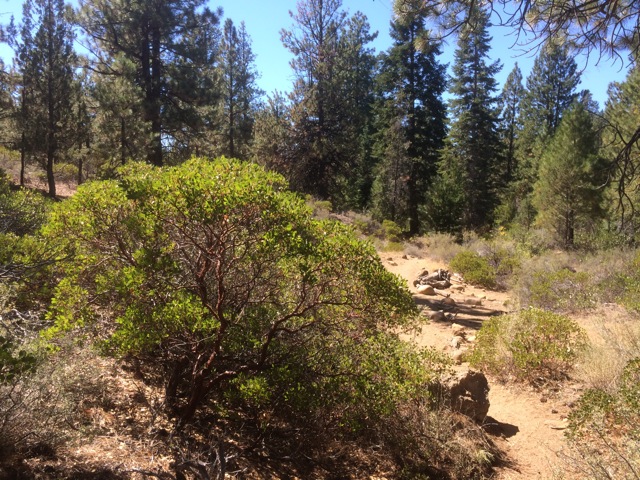
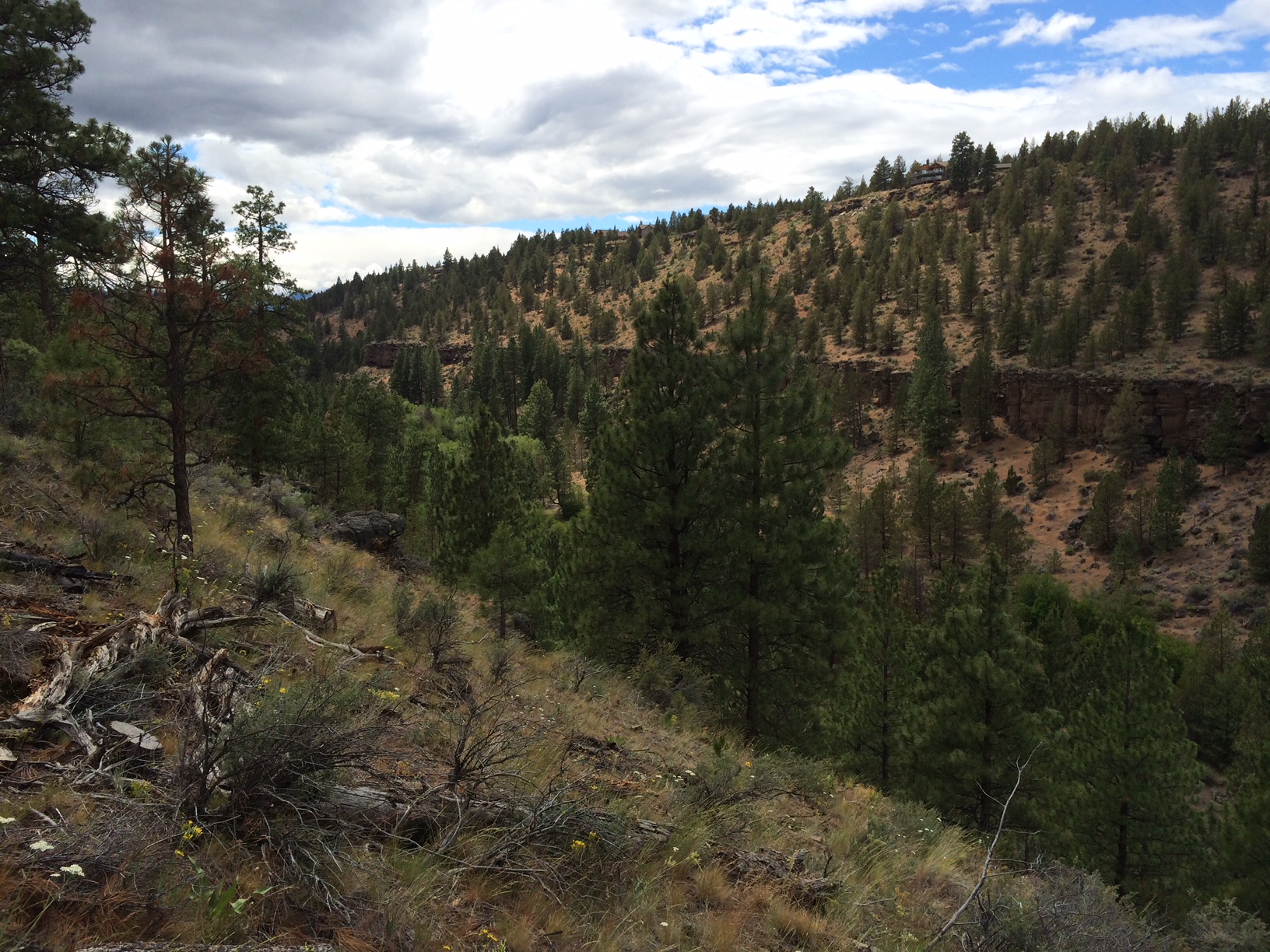 Whychus Creek starts up in the Three Creeks area south of Sisters, OR, below Broken Top and the Three Sisters, and runs north-easterly to where it joins the Deschutes River winding much of the way through a canyon carved through basalt. It’s a beautiful band of green cutting its way through the Juniper – Sagebrush Scrub country where I grew up. I’d never been to the Preserve before and was happy to see it mostly intact. Though development has been creeping up along some of its edges the Preserve is being actively managed by the Deschutes Land Trust these days. We hiked it on June 26 and many plants were still in bloom. Many people from the wet side of the Cascades have never developed an appreciation for the starkness of Oregon’s High Desert country. Julie and I both grew up over here and where some people see barreness we see country defined by its sky, its geology and the spaces in between that set off the unique character of everything that lives here. We took this hike with long time friends, Robert and Elayne, who stayed in Bend when we and others left.
