Category Archives: Trees

Pruning…Why do we do it? Cutting Woody Plants Down to Size

The Pruning Series, 2

IMG_4297

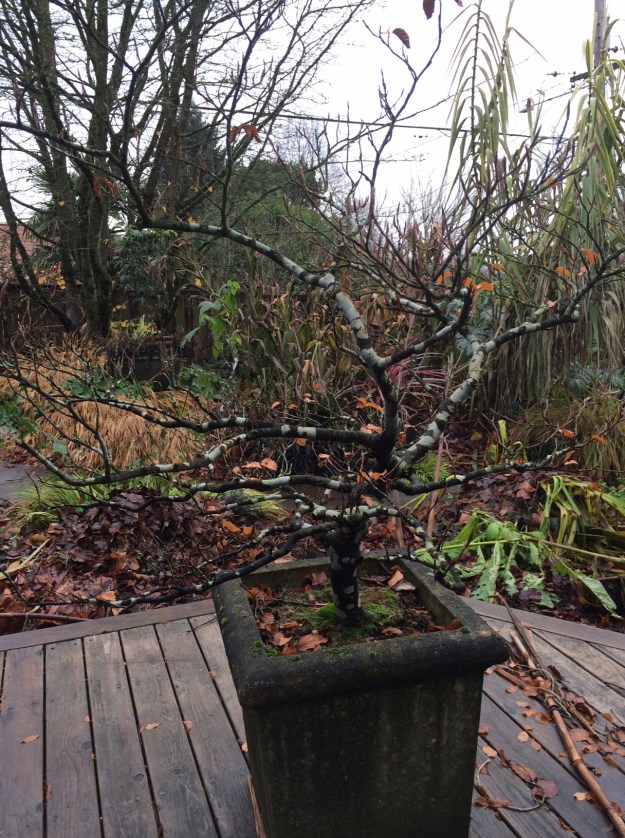
This Fagus sylvatica has been in this pot around 20 years. I grew it from seed 30 years ago from a mother tree in Sellwood that has a canopy 100′ across. It is approximately the same age as the trees pictured below.

I’ve heard it said often enough that trees and shrubs got by just fine for millions of years before we started pruning them, so why do it now?  That’s a good question and if you can’t answer it, you shouldn’t be pruning.  Horrible examples are all around us.  Trees repeatedly stubbed off their natural branching form and elegance destroyed.  Others sporting long scars where someone removed a branch with a single top cut causing the branch to drop pulling a long tongue down the trunk where it was still attached.  Still more with split trunks and scaffold limbs where multiple sprouts, vying for dominance fail and tear down.  Poor pruning has lead to the collapse and premature deaths of many trees and reduced many shrubs to inelegant space fillers jammed up agains buildings.  The first thing you should ask yourself is, ‘Why I’m I doing this?” Continue reading

Choosing Trees for Larger Public Landscapes (and your yard!)

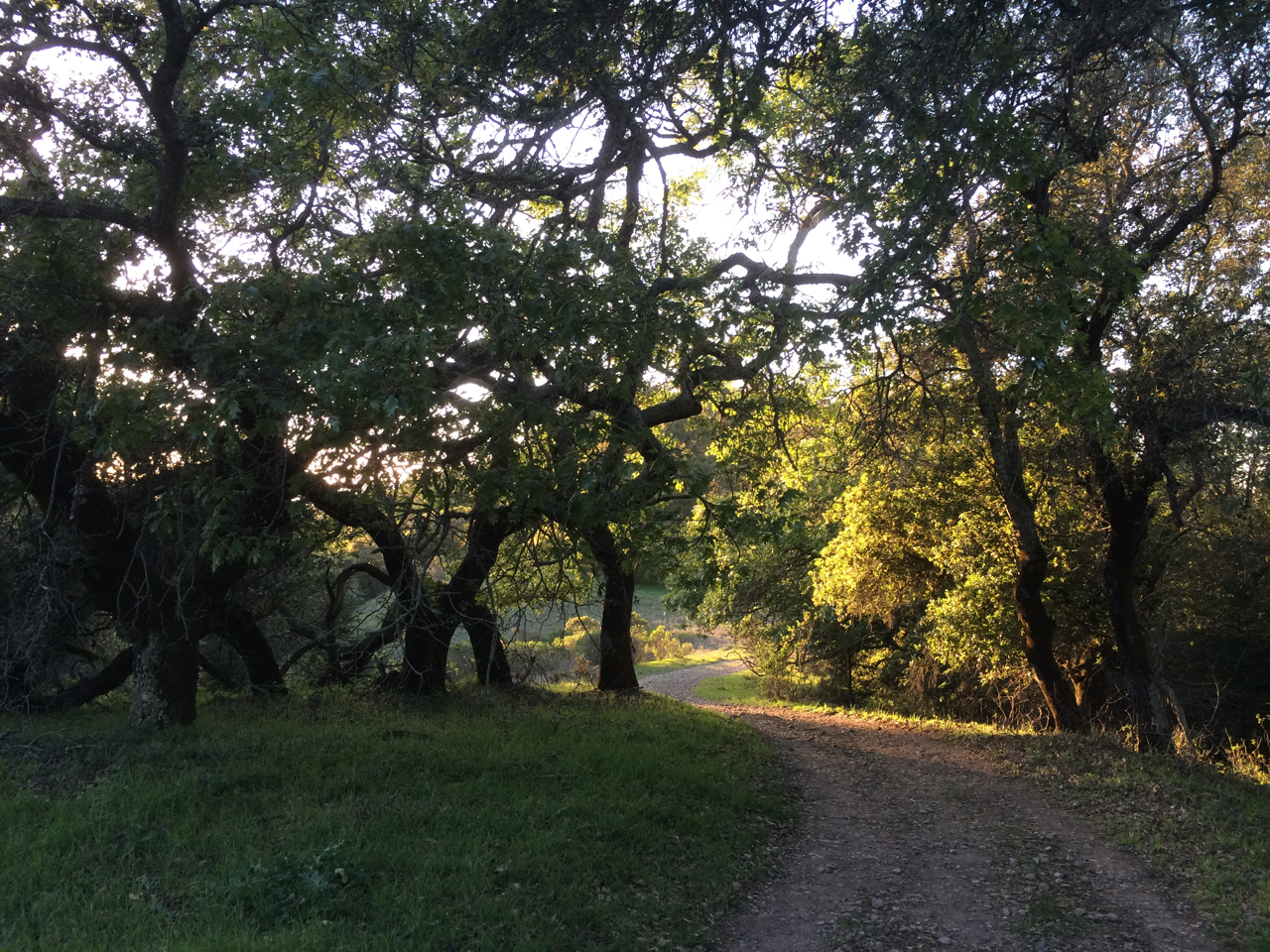
Still one of my favorite Oak photos. This one take in the late afternoon beneath a canopy of Interior Live Oak (I think) at Shiloh Ranch Park, last March.

Still one of my favorite Oak photos. This one take in the late afternoon beneath a canopy of Interior Live Oak (I think) at Shiloh Ranch RegionalPark, near Windsor, CA, last March.

A friend recently asked me if I had some favorite trees that I would recommend for planting on school landscapes, that would be like asking if I had favorite park trees, no I don’t…and I don’t have a list of proven performers either. A planting site being located at a school, only tells me something about the uses/abuses one can likely expect on a site, and nothing more. When we choose plants we need to be paying attention to a lot more than that. Many people are intimidated when it comes to choosing trees, there are so many and potentially, they live so long, growing from year to year…all of this tends to magnify the ‘weight’ of our decision.  People often look for short cuts because there are so many things to keep in mind when choosing. There are two major questions that need consideration first, the site conditions and design, what will the tree have to put up with and what do you expect? Continue reading

Palms I Have Grown: A Look into Trachycarpus and its Intimates


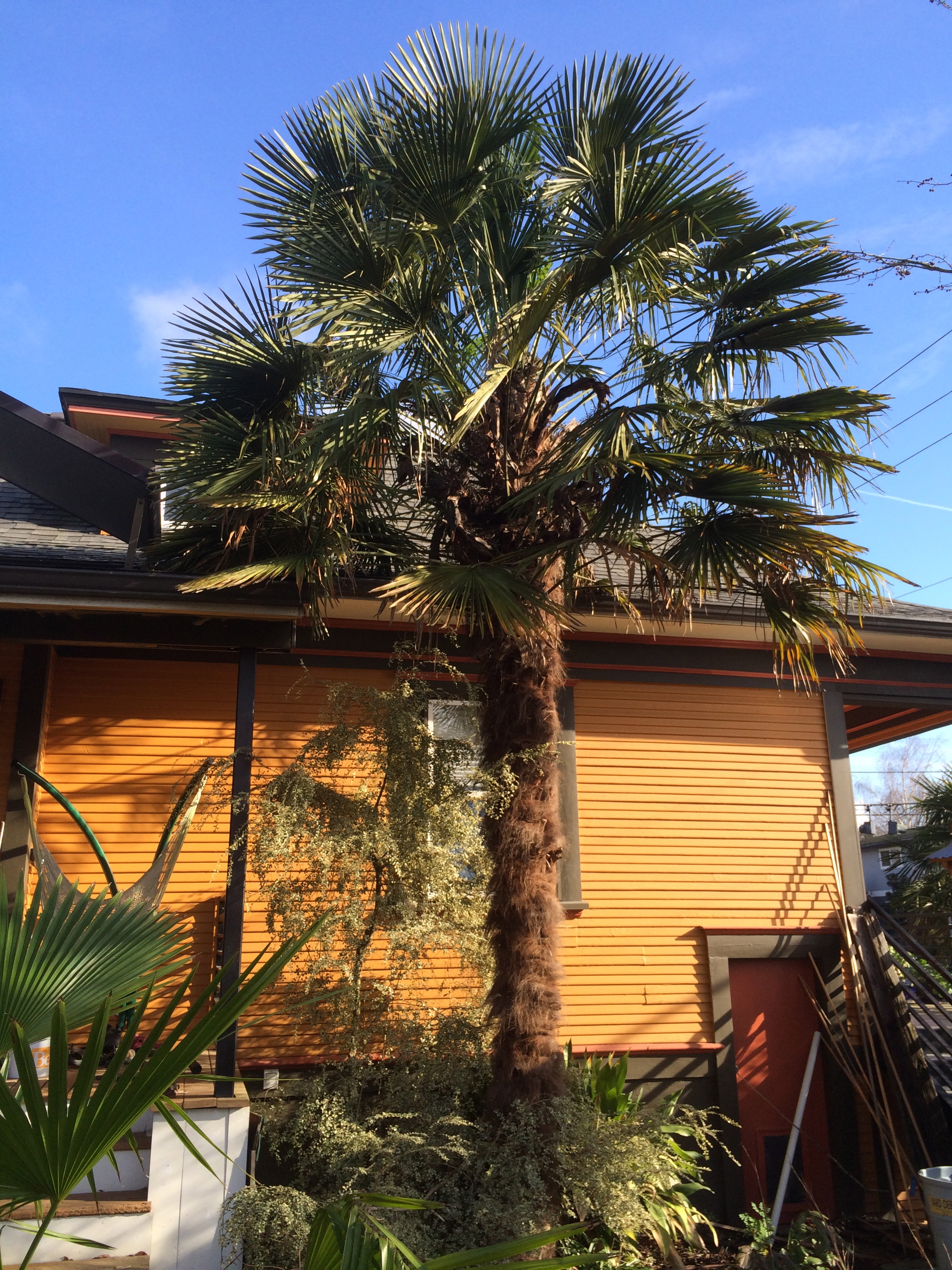
Trachycarpus fortunei - My oldest tree.  The house's gutter is at 13'.  This is the most robust, stoutest, of the 5 T.f. that I have with the broadest canopy.  It's male.  I've just finished cleaning up its rattiest older fronds.

Trachycarpus fortunei – My oldest Palm tree. The house’s gutter is at 13′. This is the most robust, stoutest, of the 5 T.f. that I have with the broadest canopy. It’s male. I’ve just finished cleaning up its rattiest older fronds.  I remove 15-20 every year and have been annually while it’s been in its adult active growth phase.  It will slow down when it begins to approach its maximum height and maturity.

Continue reading

Katsuras as Street Trees: picking the right tree

photo 1

Sometimes it pains me to take walks.  I was on my way home from the Imperial Bottle Shop and Tap Room, walking down SE 26th south of Powell Blvd when I came across these four Katsura trees planted in a 4′ wide parking strip, no curb parking with a painted bike lane right next to the curb.  Katsura trees 24″ from the bike lane.  How is that going to work?  Trees grow.  Branches extend and caliper up.  Branches hit bicyclists and pedestrians in the face and people crash and or break branches. (Yes, I know these can be limbed up over time but we all know how often that doesn’t happen and what are these trees going to look like if all of the branches are cut off of the street side up to 14′ for traffic clearance.  Trucks regularly use this street.)  And then there’s the whole it’s just the wrong plant for the growing conditions thing.  Katsuras grow in the mixed woodlands of Japan with moderate temps and summer rainfall.  So that looks like 3 strikes out of 4 pitches.  Landscape architects still love these…so do I, but planting them in positions with reflected heat with limited root runs through compacted mineral soils!!!! It’s 90 degrees today, their foliage is stressed even with their water bags filled around their bases.  I have seen many more bad examples of Katsura use over the last 25 years than i’ve seen appropriate.  If you’re going to plant them plant them in a woodland or along the edge where they will be protected from intense direct  sun and make sure they have a long cool root run.  This is so wrong.  Now we’ll all have to watch these limp along getting by stressing until they die or become so damaged someone removes them. Continue reading