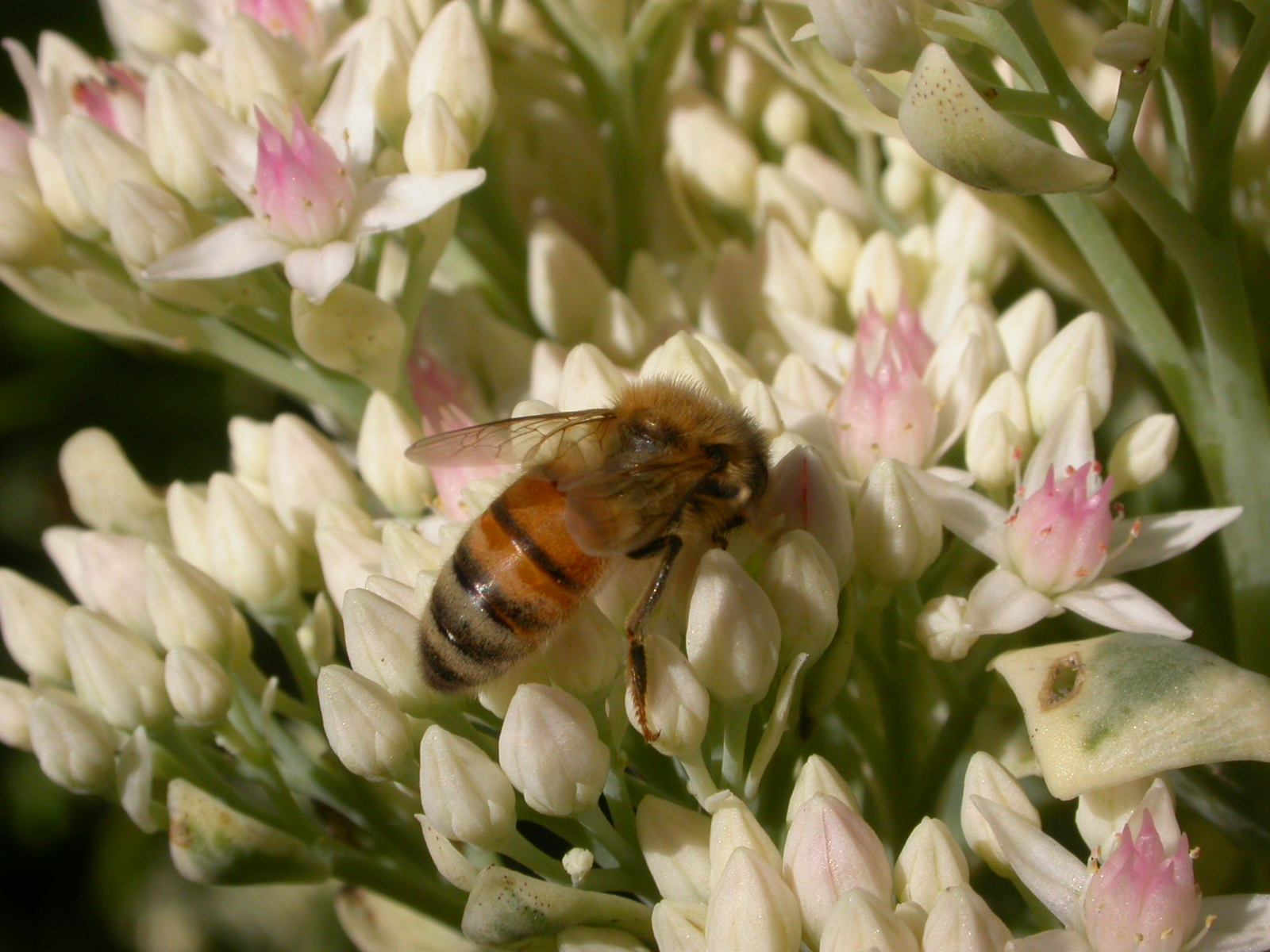
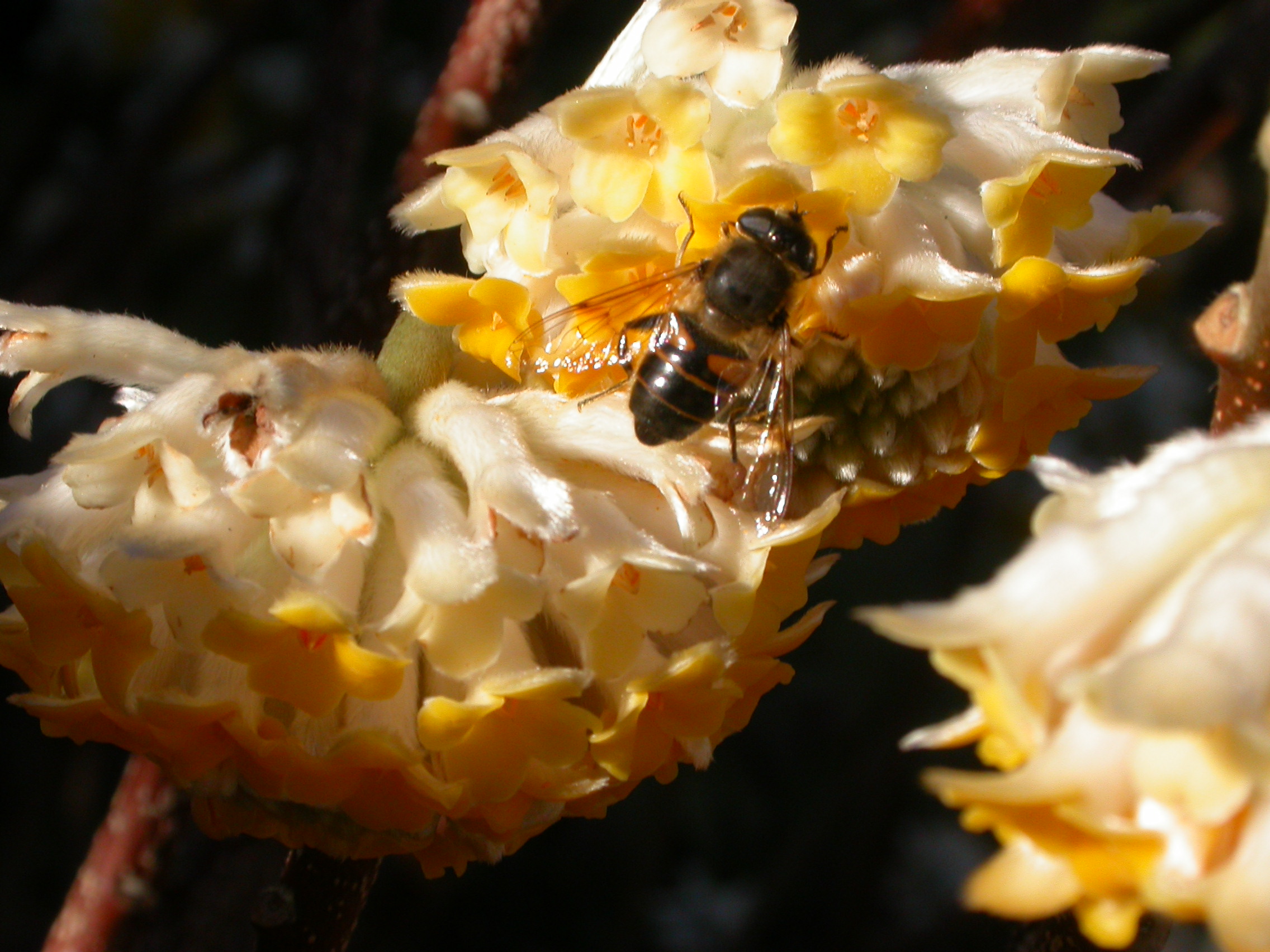
The following posting is built around an article written by Jon Entine in response to Chensheng Lu’s claims that Neonicotinoides, synthetic Nicotine, a commonly used ‘group’ of insecticides in modern conventional agriculture, are at the heart of CCD. There is a link to the original Entine article posted on his site, the Genetic Literacy Project ,it also appears, on the Science 2.0, website. There is a second Entine article as well addressing more directly Lu’s ‘science and Entine’s conclusions that I will deal with in a later posting. I began this after reading it several weeks ago on Facebook and was initially, convinced by it that Lu was in fact practicing bad science and that bothered me, because Entine’s article was ‘pushing’ me so hard to get to that conclusion. Later, the topic kept popping up on my radar as I saw calls for bans of neonics here in the US. I more recently was puzzled by what I found on the Xerces Society website regarding the issue…so I decided to look a little deeper. What follows is still a beginning, an attempt to winnow the ‘wheat from the chaff’. There are many more questions to ask if we are to make a responsible decision on this issue. Such things are never simple when fallible humans and corporations are involved. Continue reading
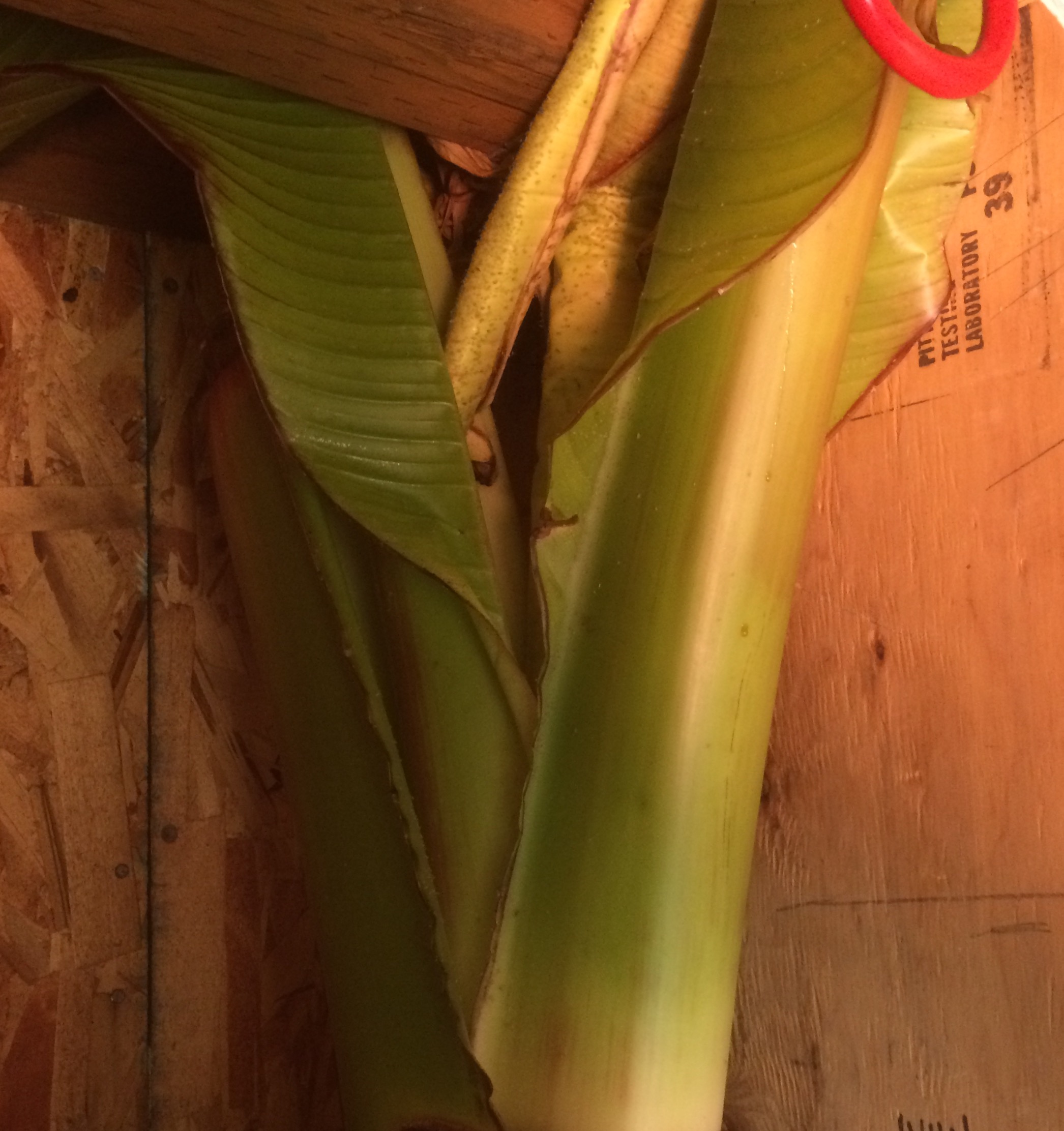
Red Abyssinian Banana Planting
The Himalayan Cloud Forest Garden in Washington Park: A Collection of Species Rhododendron & Asian Companions

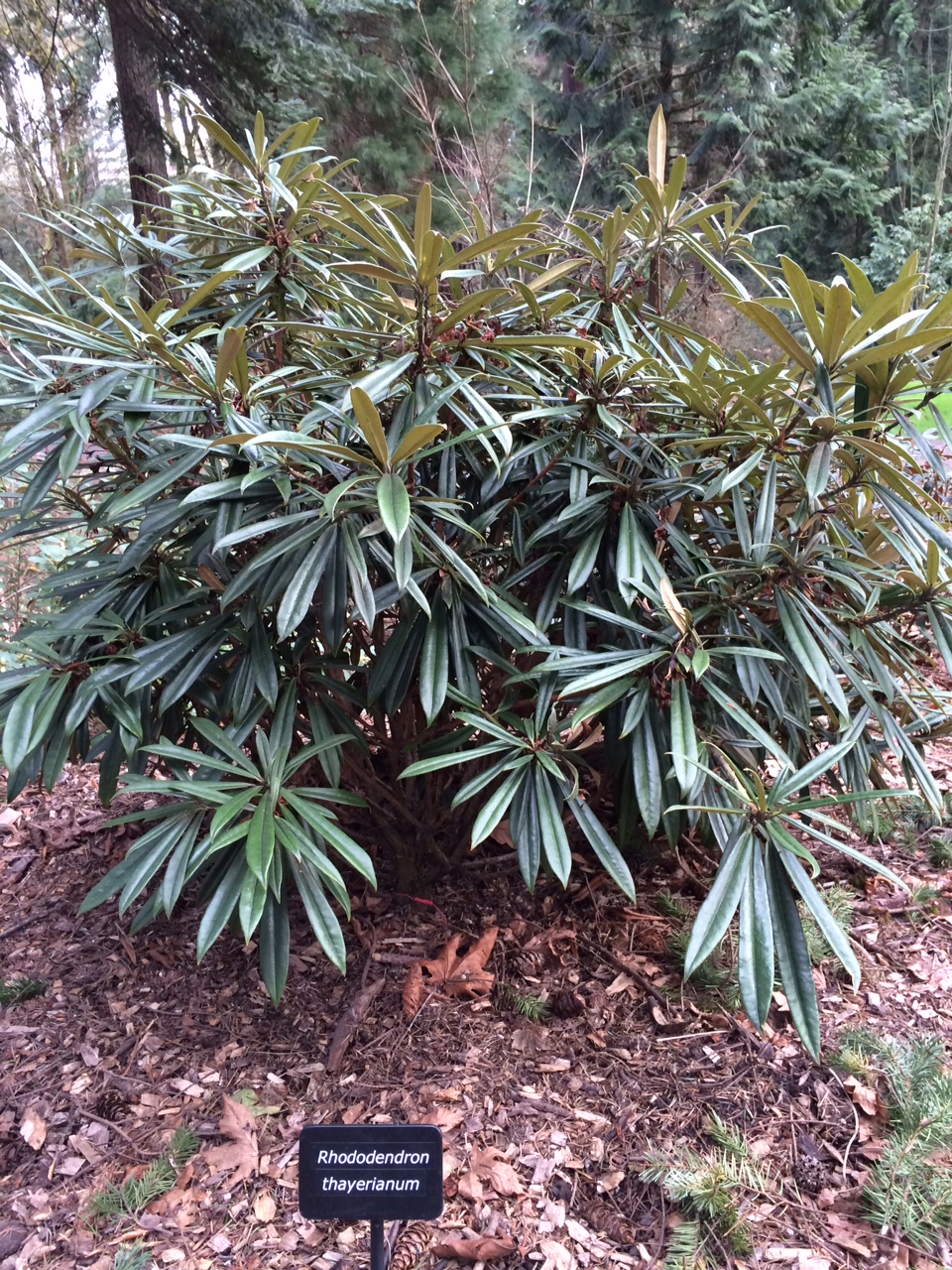
R. thayerianum has wonderful glossy narrow leaves with a prominent mid-rib. The leaves stand out in whorls to great effect!
A few years ago the Washington Park crew started to joke about their new ‘Himalayan Cloud Forest Garden’ on the north slope of the Park above west Burnside. I was still working in the Downtown Parks and though not part of the project, was greatly excited by its creation. What began as an Ivy removal/ restoration project had quickly morphed into an idea for a species Rhododendron display garden (Or, perhaps, the idea came first!). Washington Park, minus the Zoo/ Arboretum acreage is about 160 acres. Much of the terrain is rough and undeveloped. For years, due to budget constraints, maintenance has been focused on the high use impact areas. Neglected areas included the ‘Cloud Forest’ portion above the ‘Canyon Walk’ which follows the draw down to the old Stearn’s entrance on Burnside where it begins to carve its way through the trees. Over the years English Ivy built up to a smothering blanket. Other plants, like English Holly had reached mature size and were seeding in alarmingly. While on the crew myself, some years earlier, I spent many hours cutting, treating stumps and dragging the Holly trees off. That effort accelerated in recent years when the two staff ‘Rhody-philes’ began feeding off each other’s energy.
Trip to Lan Su
And Now for Something Completely Different....(M.P.)
Rain spotting glasses
Wheels carving narrow arcs
Down wet pavement, hissing…
Between emptied houses
Over-arching trees, waking
Storefronts, hulking warehouses…
Drawn to the river, hot breakfast
With a friend. I warm
And dry quickly.
Rain drops spotting a quiet
Pattern across the pond
The cool wet February air
Stills the droplets hanging
From twig & petal capturing
Blossom’s scent in their
Tentative grasp drawing our
Attention…, holding it
Beneath a quiet leaden sky
Perfectly. The day pulls us ahead.
Public Portraits of Xeric Plantings at Riverplace and South Waterfront, part 2
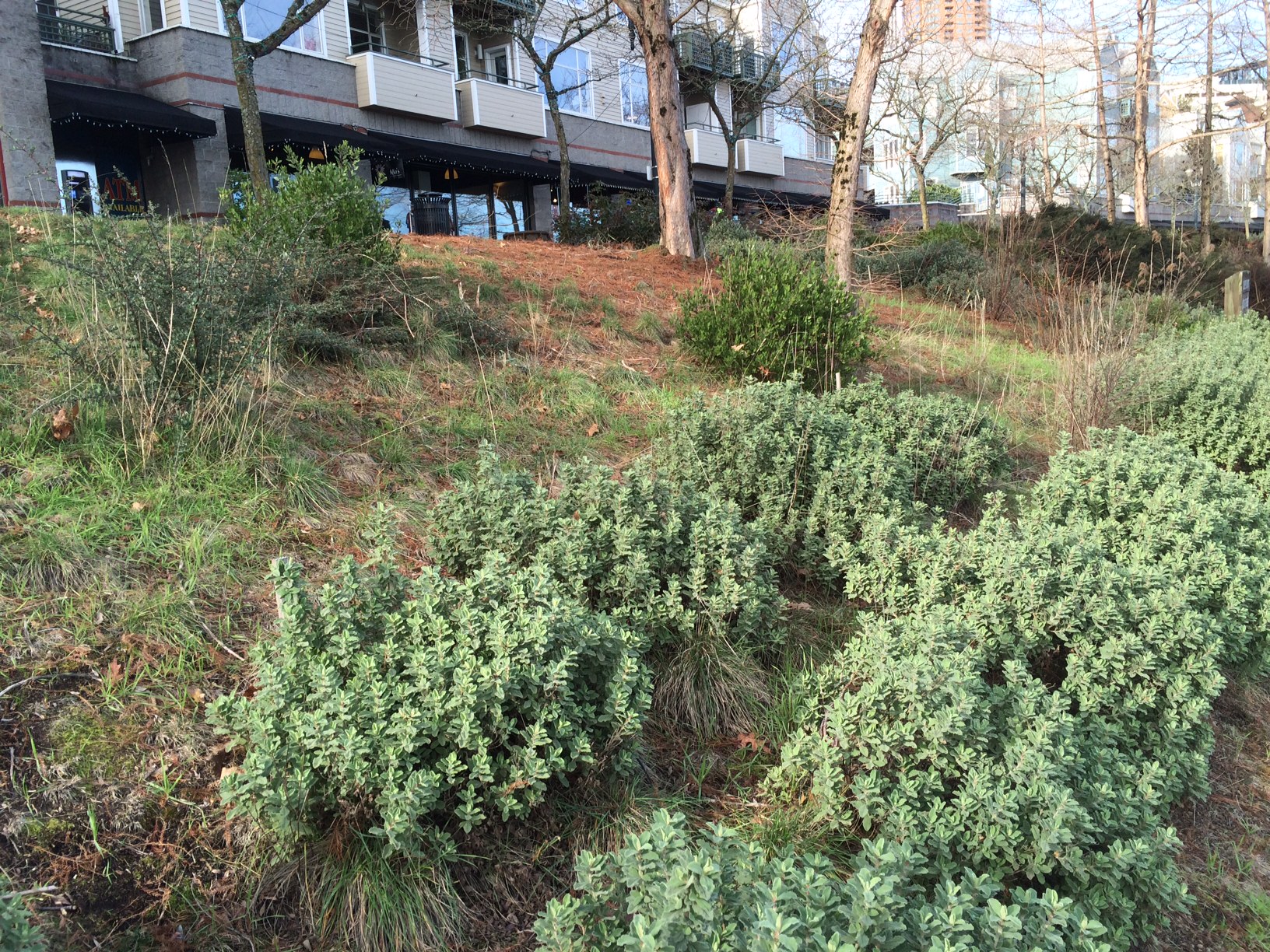
This little tour begins from the traffic circle at the intersection of SW Montgomery St. and River Dr, by the sign to South Waterfront Park and Garden. It has you walking north along the esplanade in front of the shops and restaurants. It concludes about 900′ to the north at the Riverplace Hotel.

Rhamnus alaternus ‘Variegatus’ planted between the Blue Oat Grass and gradually dying out Cornus ‘Kelseyii’. It has been very slow. Understandable given the horrendous fill soil conditions. In the immediate area are also a young Quercus chrysolepis, Arbutus menziesii, Arctostaphylos x ‘Pacific Mist’, Cistus x ‘Blanche’, Philadelphus lewisii, Cotinus coggygria ‘Golden Spirit’ and Holodiscus discolor
Palms I Have Grown: A Look into Trachycarpus and its Intimates

Trachycarpus fortunei – My oldest Palm tree. The house’s gutter is at 13′. This is the most robust, stoutest, of the 5 T.f. that I have with the broadest canopy. It’s male. I’ve just finished cleaning up its rattiest older fronds. I remove 15-20 every year and have been annually while it’s been in its adult active growth phase. It will slow down when it begins to approach its maximum height and maturity.
Seed Banks and the Future of our Gardens and Landscapes
Another article in the ‘Over Thinking Series’
Old growth coastal Douglas Fir forest biome, the Ponderosa Pine – Juniper Sagebrush ecotone, your meticulously cared for back garden and the neglected median strip running down a divided street all occupy our ‘landscape’ and include soil unique to their sites. The soil type and structure is relatively easy to describe as it is defined by its physical properties…its biological components are considerably more complex and change over time in the long and short term as a landscape ages and/or suffers human disruption…and, can, in turn, affect some of the physical properties. (see: The Biology of Soil Compaction.) Continue reading
Public Portraits of Xeric Plantings at Riverplace and South Waterfront, part 1
Parks provide the perfect opportunity to showcase plants and to demonstrate their performance in the real world. What I present here are portraits of plants I chose for two particularly difficult sites that would eventually serve as a base for a new xeric landscape. The sites comprise two acres of bank plantings. I posted a review of these last August. While still relatively young some are beginning to approach more mature size.
Observations on the Cold: Leonotis, Salvia and Rhodocoma – Pot Culture & Hardiness
Monday – Dec. 29, ’14 – low 33° – high 43°
Tuesday – Dec. 30, ’14 – low 28° – high 34°
Here’s one of my little experiments of ‘neglect’. Sometimes the pots are just too big and heavy to haul down to my basement storage, not to mention the limited space there, so I position them up against my house, under roof overhangs, out of the wind and rain. Many things I grow in pots, can take a few degrees of freeze overnight, but when we are supposed to have a period of prolonged freezing, when highs are forecasted to remain below the mark, I haul many of them in, otherwise outside they stay. Then, out they go when it warms back up above freezing to a protected spot. The pots in question, the biggest/heaviest, have been out all winter so far, sequestered under the roof on our deck. They were not pulled in or covered during the first substantial cold snap and I’ve been surprised so far. This is Tuesday noon-ish and it’s 34deg.
The Leonotis menthafolia ‘Savannah Sunset’, zn 8a, a name recognized by Annie’s Annuals, my source, but known by others as Leonotis ocymifolia var. ocymifolia, looks perfect and is still blooming at 5 1/2′ tall !!! silly plant. Last year, with our two significant winter cold snaps, I lost one of these in the ground in a sunny exposed site. That one received infrequent summer water and so was probably stressed going into last winter. This Leonotis ranges from Kenya south into South Africa in the eastern half of the continent so it is somewhat more expectant of summer rains. It prefers well drained soils. This one shares a pot with a Cuphea ignea, zn 8, 9 or 10, (hmmm what’s the dealio?) which too is still green and blooming along with an unhappy Aeonium ‘Zwartkop’, zn 9, not blooming and looking a little peaked, no doubt suffering from too much shade in addition to the cold/dry provided by the roof overhang. Continue reading
Eucomis: Pineapple Lilies– Exotic Looks/Common Tastes
This posting was first published in the HPSO Bulletin Spring 2010 and is here revised
South Africa is one of the most botanically rich regions of the world. Within its boundaries is the Cape Floristic Region (with 0.08% of the world’s land and 3% of all plant species), containing some 8,700 species, two-thirds of which are endemic, existing nowhere else in the world. It is one of only six such regions in the world. By comparison, the Boreal Floristic Region includes all of North America, Europe, and the northern portions of Asia and Africa, and is thus considerably larger. Each region has a distinctive “suite” of plants with particular families that are endemic to them. One would feel a familiarity when exploring anywhere within one’s own region. Outside it, you might feel the world was populated with the alien plants of other star systems. For example, forests are not to be found in the Cape (though nonnative species have been introduced and have spread); instead, these areas are characterized by heaths, proteas, and restios. Included in the region are 2,700 species of bulbs in 15 different families. These include gladioli, freesias, amaryllis, agapanthus, and many others, most of which would be unrecognizable to the average temperate area gardener. One such genus of bulbs is Eucomis. Continue reading