
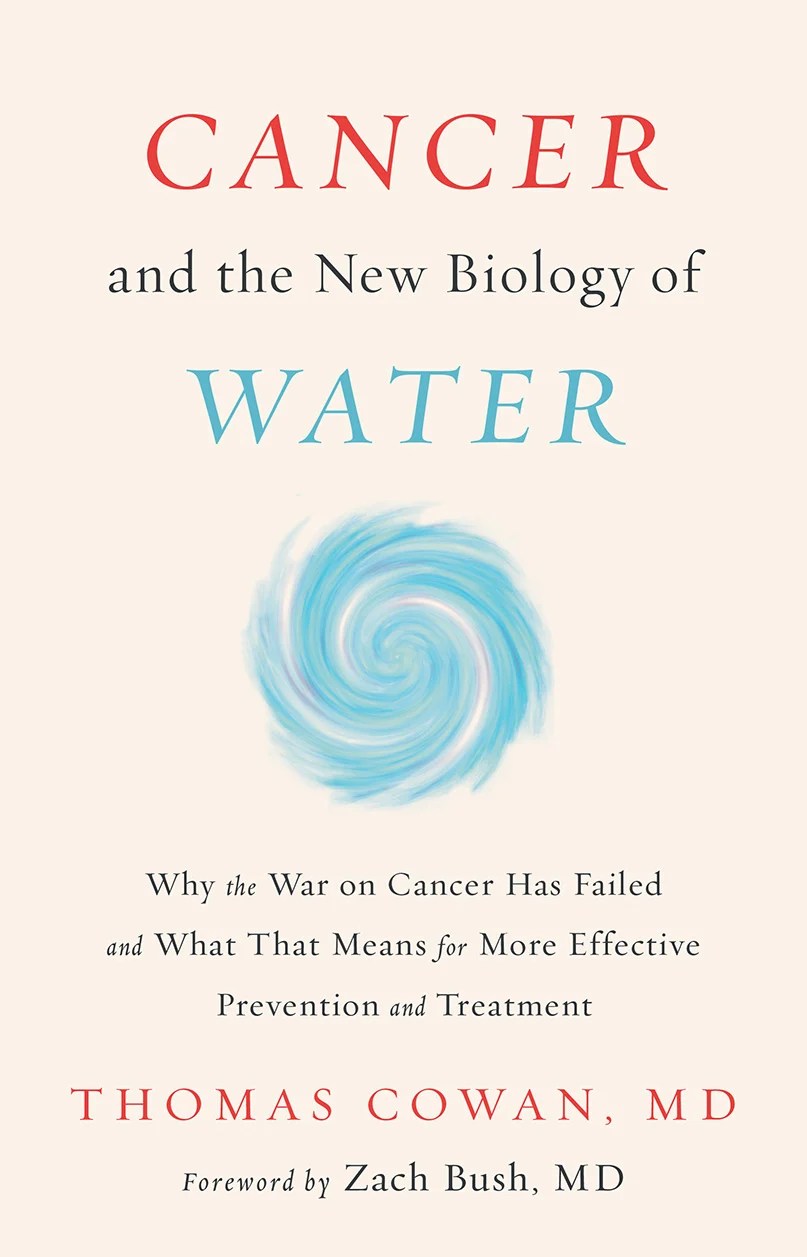
 I began this book with a lot of energy which was sustained through the book’s first part, ‘A New Understanding of Cancer’. Having read fairly extensively on cell biology and the ground breaking work of Gerald Pollack’s study of water, its biological importance and four phases, I found Cowan’s presentation here lacking, describing it only in very broad, simplistic strokes. For me he ‘hints’ around the edges of the problem and asks the reader to simply take his word for his claims. The problem, he says, lies in unhealthy intracellular water….Okay, but what’s that about? Why does that matter? It is just water after all…right? His doubting and questioning of mainstream medicine and its rigid adherence to the oncogene model of cancer, I’m in agreement with. Mainstream medicine and science can become dogmatic and not only reject alternative theories, but work actively against their investigation. Scientists and doctors are not immune to the problems ego can often drag along. What I was hoping for was more specificity, more explanation of how Pollack’s work on water’s fourth phase, not only contributes to, but is essential for, health of the cell and the larger organism’s. It’s not here. Instead the bulk of his little book, it’s only about 170 pages of text, is on alternative therapies, which he introduces, again, without much of an attempt to tie it into his idea of the centrality of intracellular water.
I have another issue with his book, not his idea, in that he spends too much time bashing mainstream science, while at the same time his argument is based on science. I find this disturbing, especially given today’s political atmosphere in which bashing science is so common by those on the far right. They would argue that it’s all about belief, the proper belief. This problem for me was underscored by how he presents his alternative therapies of promise. The reader is left with either believing or not believing him. While he does argue for more extensive testing of these alternatives, he is simply asking us to believe him, not the mainstream docs, concerning the efficacy of these therapies. There is science to support his claims, but it isn’t here. Health is an incredibly complex and important topic. Western civilization has chosen a particular path which, in this case, Cowan correctly points out, has produced the questionable results he criticizes, in terms of cancer, its proliferation and treatment, but it is not enough to simply, and stridently, insist that the problem does not lie in genetics, that it instead lay within the health of the cell and the state of its intracellular water. He needed to spend a lot more of his pages explaining what this means, the science of water and the big question he asks early on, ‘What is life?” His case is strong, but, in my opinion, inadequately presented.
He barely mentions Pollack who operates a water lab at the University of Washington which has done so much work on water, its physical capacities, suggesting important and central roles in biology and life processes. Pollack’s two books: “Cells, Gels and the Engines of Life: A New, Unifying Approach to Cell Function” and “The Fourth Phase of Water: Beyond Solid, Liquid and Vapor”, are both relatively accessible sources if you have a basic understanding of biology, atoms and molecules. Pollack’s writing is accessible. Unlike so many scientists he possesses a capacity to explain relatively complex problems in laymen’s terms. This is what Cowan needed to do with his book.
https://www.ncbi.nlm.nih.gov/pmc/articles/PMC4244968/

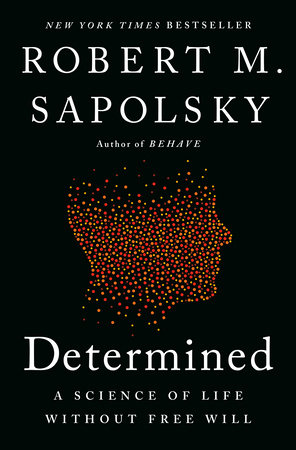
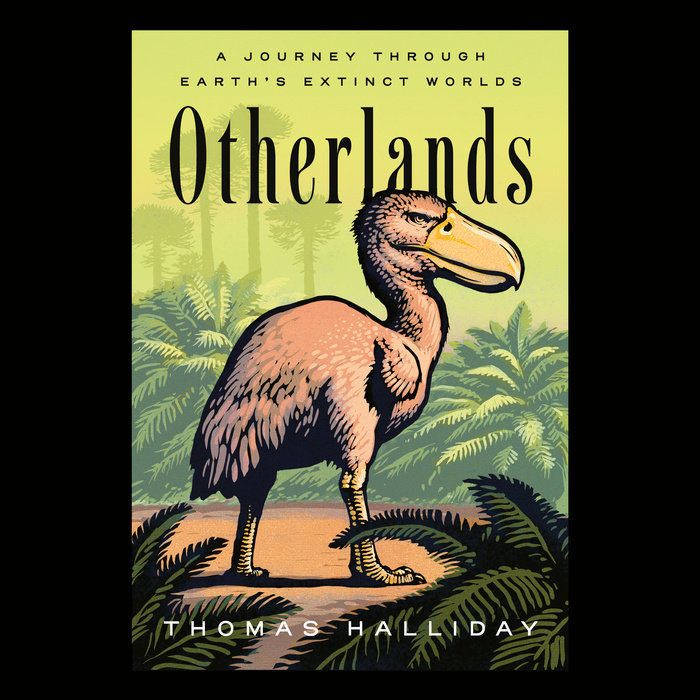 I mostly read non-fiction, books on history, the ‘natural sciences’, about life. I get my fiction in the form of television and movies, graphic novels and no, there is a lot more out there other than the limited, repetitive genre of super-heroes from the DC and Marvel universes. I’m drawn to the speculative stories, alternative tellings of this world, of life lessons, attempts to reimagine the past, or invent possible futures, stories that question what we are generally taught in this life. But really, I’m a science guy, reading those authors who draw from the leading edge of science, and the scientists themselves, who are skilled enough communicators, not something that necessarily is companion to those ‘doing’ science, those who can clearly discuss what they’ve learned and present reviews of entire fields of study, which strive to show the reader how our understanding of the world is changed.
 David Graber, an anthropologist, and David Wengrow’s, an archeologist, book, “The Dawn of Everything: A New History of Humanity”, is more than ‘just’ a history of humanity, which would on its own suggest a massive tome of thousands of pages. it is an examination of how we ‘do’ history drawing many examples of peoples and societies across time from the Paleolithic through the colonization of North America. It is not simple reportage, rather a look into the correctness or accuracy, of how we have been telling history. I enjoy such questions and their capacity to rock the academic and intellectual ‘boat’. My reading has spurred the formation of links to two other books I’ve read recently, Stephen Jay Gould’s, “The Burgess Shale” and Pekka Hamalainen’s, “Indigenous Continent”. All three of these call into question previously widely accepted thinking on their subjects. More than this, they question foundational ideas upon which the science they examine are founded. This appeals to me. But more than this, there is an idea central to them all which really rings ‘true’ for me.
 We live today in a very divided and polarized world. You can take almost any characteristic used to define a group of people today and it is now being used to separate and divide. We do this sometimes out of pride, others, out of fear and desperation. We thus define our individuality, or our ‘people’, in a process of reduction, eliminating variation and possibility. This is who I am. This is my world, the world that matters. When we do this our world shrinks. That outside of it, becomes a threat and ‘threats’ proliferate. The causes of our problems are commonly reduced to ‘them’. Most of the divisions are, however inconsequential. Having been pried open we find ourselves separated by seemingly giant rifts, animosities greatly exaggerating the actual differences. Too many ‘leaders’, in bids to gain power themselves and cement their own advantage, beat the drums of division, gaining followers, customers and believers to their cause…which is often something very different than what they may publicly say. A world built on such differences is a precarious one, as groups strive for security by focusing on the differences rather than on the infinitely more common shared links which join us. This country was, in many ways, built on such differences.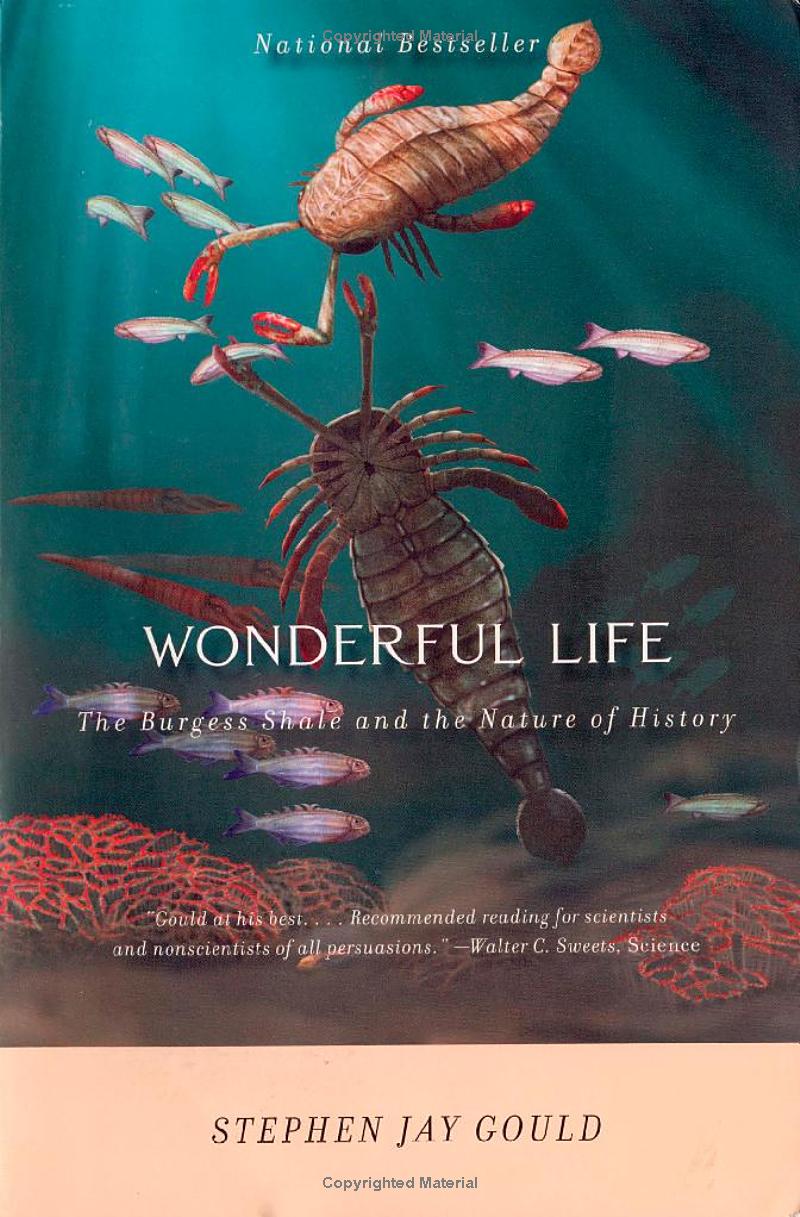
 GardenRiots