Author Archives: gardenriots

Unknown's avatar

About gardenriots

I'm a horticulturist with 35 years experience primarily in the maintenance and management of public landscapes and gardens, including, renovation, construction, planting design, doing horticultural reviews of capital projects and creating and implementing maintenance plans that recognize the dynamic nature of these places. I have a strong interest in sustainable/ xeric landscapes and view the landscape as an opportunity to create places of beauty in an all too often utilitarian urban world while at the same time using them as a teaching tool for the public and peers. I recently retired from Portland Parks and Recreation where I was responsible for many of our downtown landscapes for 16 years. I have a degree in ornamental horticulture and a life long interest in science, beginning when I was ten or eleven with astronomy. I became fascinated by physics and the paradoxes and conundrums theory left us with in the '60's. I moved on from this to an avid interest in nature, biology and the living world around me in Central Oregon. I did not find a mentor so instead spent many hours by myself exploring and wondering and became largely self-taught, a pattern that has continued through my adulthood. Some of my postings are a direct result of my curiosity and are a result of my learning style, submersing myself in a topic that interests me, generally related to a plant I have grown and then building a fuller understanding of what is going on. Topics as diverse as general evolution to quantum biology and learning the biogeography of regions from which my plants come are continuously fascinating to me. These interests can become consuming 'rabbit holes' for me taking me places my wife does not understand. The world to me is a beautiful, fascinating place filled with puzzles to be understood and thereby more fully appreciated.

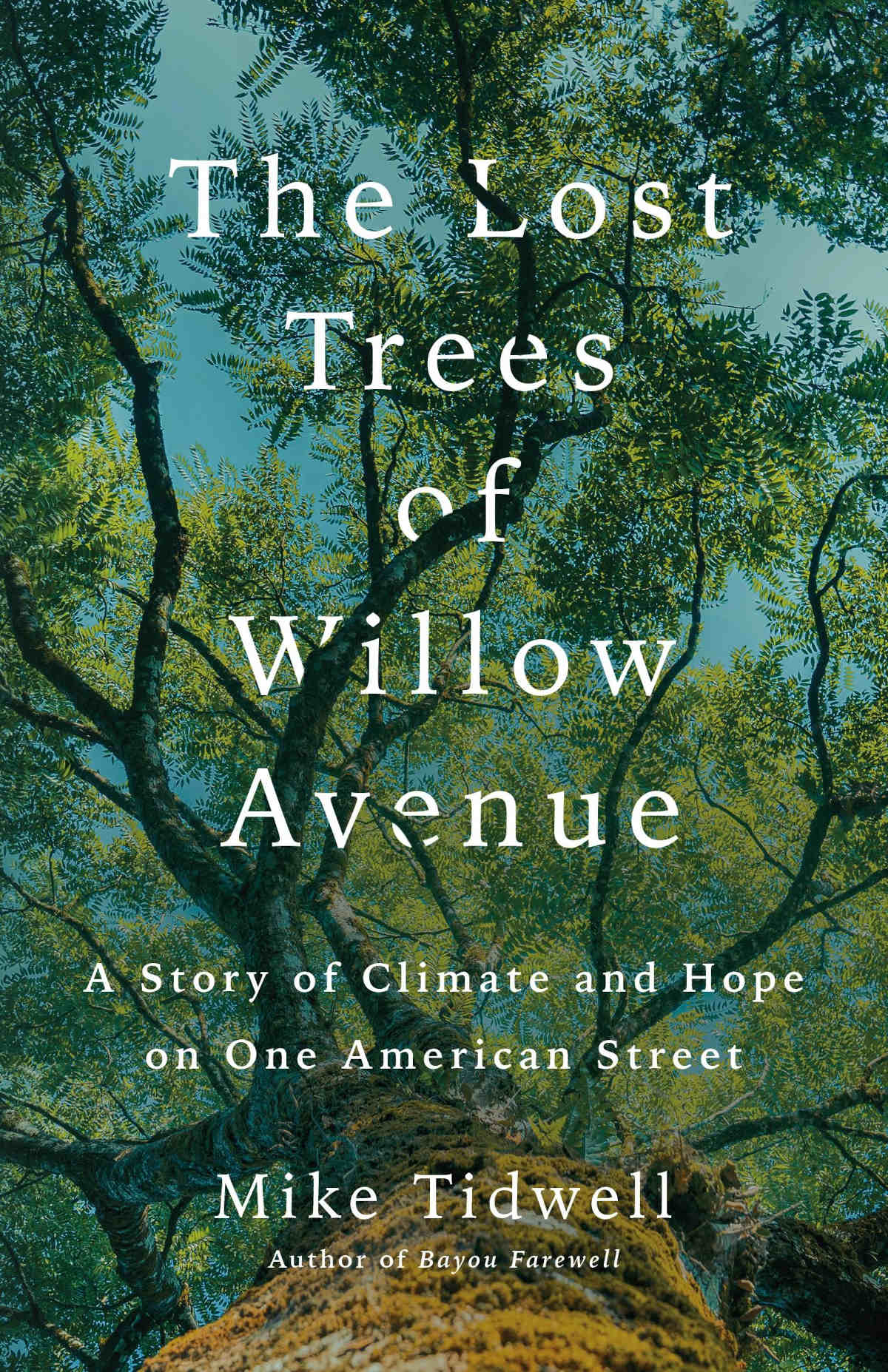
The Lost Trees of Willow Avenue, a Review

Global climate change, in our current political climate, has been relegated to a secondary status. There is so much ‘shit’ hitting the fan right now that it gets largely lost in mainstream media coverage. The science that supports it, continues, although at a slower rate. Our transition from fossil fuels to renewable energy has slowed along with the republican denials, their actions to ‘deBidenize’ America, cutting funds appropriated through the Inflation Reduction Act, ‘seed’ monies to fund needed infrastructure investment, along with their cuts to the funding of research into the supporting science and technologies. The topic has been rendered into one of ‘belief’ as if its consequences will have no real world effects, a simple argument of the uninformed, like ‘Ford beats Chevy’, pointless and personal. Author Mike Tidwell, an obvious long time ‘believer’ and lobbyist, has worked over the last 30 years to move the political dial toward climate action, amongst his neighbors, his home state of Maryland and Congress. Here, in his recent book, “The Lost Trees of Willow Avenue”, he tells his and his neighbor’s story, in his DC area neighborhood, of the real world impacts they’ve observed and are attempting to combat. Amongst his neighbors are  Congressman Jamie Raskin, his friend, Ning, a college prof who has been working tirelessly on getting a novel carbon sequestration program up and running, a local state legislator who has been working to get massive scale wind generators built off shore and others working in smaller ways, dealing with the fall out of a climate already changing around them which, among other things, is causing crazy weather perturbations, changes in rainfall and temperature swings that are leading to things like a large increase in Lyme disease, because the milder winters are killing fewer of the disease carrying ticks, while also leading to the massive die off of mature trees across their neighborhood. Continue reading

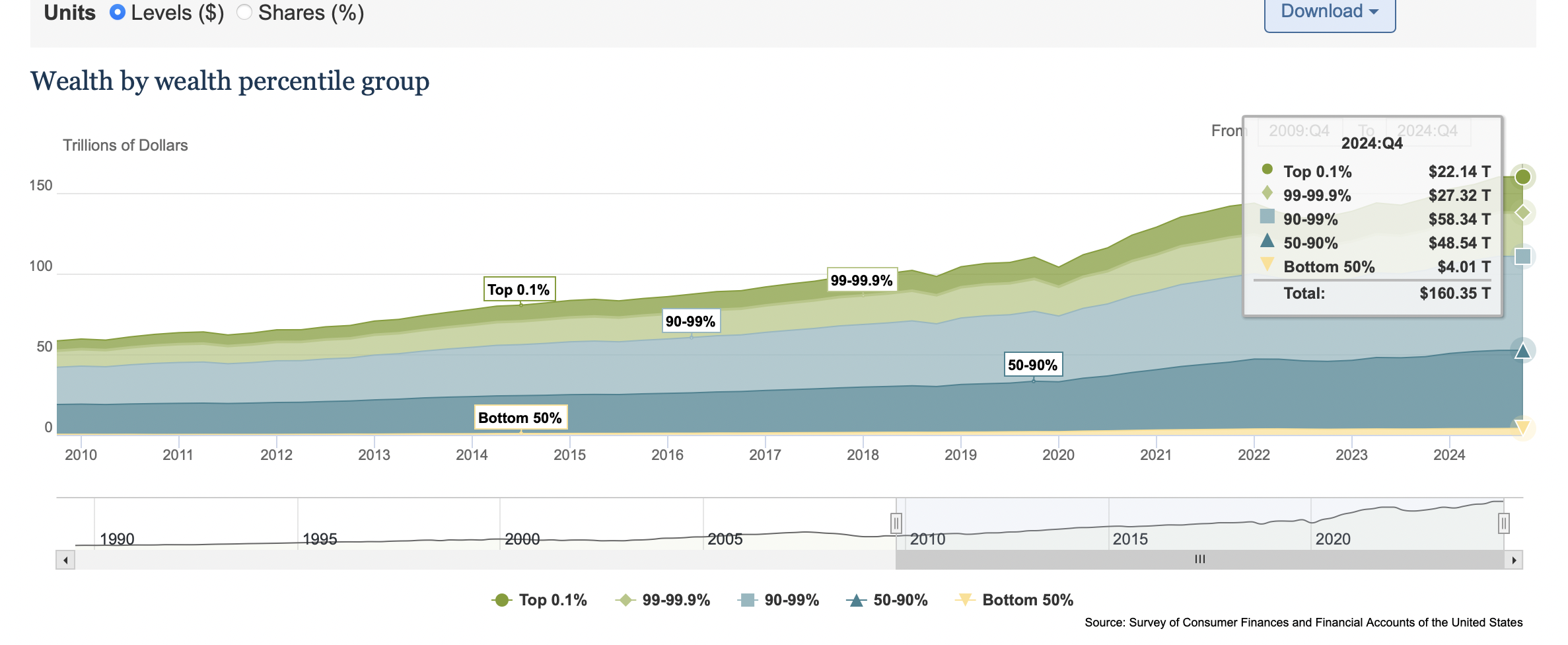
Our Central Problem is Economic

If you follow the pundits, social and mainstream media, the problem in America would seem be one of a splintered society, one fatally compromised by a mix of peoples that simply cannot be reconciled. The American ‘melting pot’ separated into battling bits, the ‘recipe’ that formerly held it together proven to be a ‘suspension’ of parts that never really belonged together and now, without, enough support, is failing…but is this true? If you go to a more primal, basic, level and ask what do people need, it always begins with survival and how when one’s survival, our security, feels in doubt, when we are confronted with overwhelming threats, fear begins to take us over. We become less nuanced and subject to manipulation, by slick talkers and those who would use us. Truth, becomes malleable as we struggle for something ‘real’, something ‘solid’.  Continue reading

Holodiscus microphyllus, Rock Spiarea in Dry Canyon

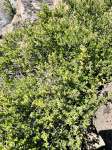
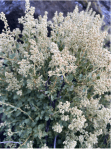
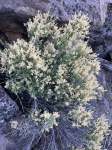
Another less common slope dweller is Holodiscus microphyllus, or Bush Ocean Spray, a deceiving name, or Rock Spiarea, which is also somewhat confusing. Confusing because Spiarea is the genus name for an entirely different genera of shrubs. So I call it simply Holodiscus. ( Botanical names can be confounding to the uninitiated. I’m not a big user of mnemonics, but I still remember first learning this plant’s close relative, Holodiscus bicolor, and the phrase immediately came to mind, ‘Holy Discus, Batman!” I know, silly, but I doubt I will ever forget that plant.)

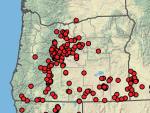
This typically occurs on the eastern flank of the Cascades and in the mountains of SE Oregon. The common name, ‘rock’, suggests its preferred sites. I’ve not seen one in Dry Canyon bottomland. It seems most common below the east rim north of the Maple Bridge. Continue reading

That Gray Stuff? It’s All Sagebrush…Nope

Part of the Dry Canyon plant series

Everybody knows Juniper and I suspect that a lot of people who think they know Sagebrush, that ubiquitous gray shrub you see everywhere, may be confusing it with other plants, blurring all ‘gray’ shrubs into one. Now this may not seem to be a big deal, but if you are trying to manage a landscape with these in them or trying to create a landscape which reflects the local plant communities, then it becomes much more important that you know what you have so that you can evaluate your landscape’s condition and decide upon what you may need to do, or stop doing, to meet your goals. Continue reading

The Cut Leaf Thelypody in Dry Canyon

[Plants of the Dry Canyon Natural Area – This will be the start of a new series focused on the plants of Redmond’s Dry Canyon. I’m creating them to be posted for ‘local’ consumption on the Friends of North Dry Canyon Natural Area. It’s a City Park including about 166 acres at the north end of Dry Canyon Park which the City has identified as a Natural Preserve. The group works as an advocate with the City, on public education and helping with on the ground work projects. I’ll identify each such post here.]

As you walk the trails below the canyon rims you will be seeing these growing scattered and in bunches. This is the Cut Leaf Thelypody, Thelypodium lacinatum. These are common where ever there’s a bit of soil between the rocks on the slopes below the rims growing amongst the tumble of massive basalt. I’ve seen these elsewhere growing in other eastside Oregon canyons with similar conditions.
These are members of the Mustard family, prolific seed producers and quite competitive. Another plant that, at least so far, doesn’t venture out into the canyon’s bottomland.
Elegant when it first starts flowering, like so many native annuals and perennials, these start declining while they proceed through their flowering season detracting from their appearance. What do I mean…each spent flower, begins to form its narrow, linear, Mustard seed capsule, quickly maturing its tiny seed and then drying, twisting and browning, while the inflorescence continues to bloom out towards its terminal end. A little messy, yes, but characteristic of these plants. We humans are relatively intolerant of such decline in our garden plants and so generally refuse them admission. Under the local wild conditions, as dry as they are, species tend to either be early flowering, when soil moisture is still most available or those like this that begin to decline before the show is over. Summer drought is a ‘cruel’ taskmaster. There are exceptions to this rule but….

https://oregonflora.org/taxa/index.php?taxon=8778

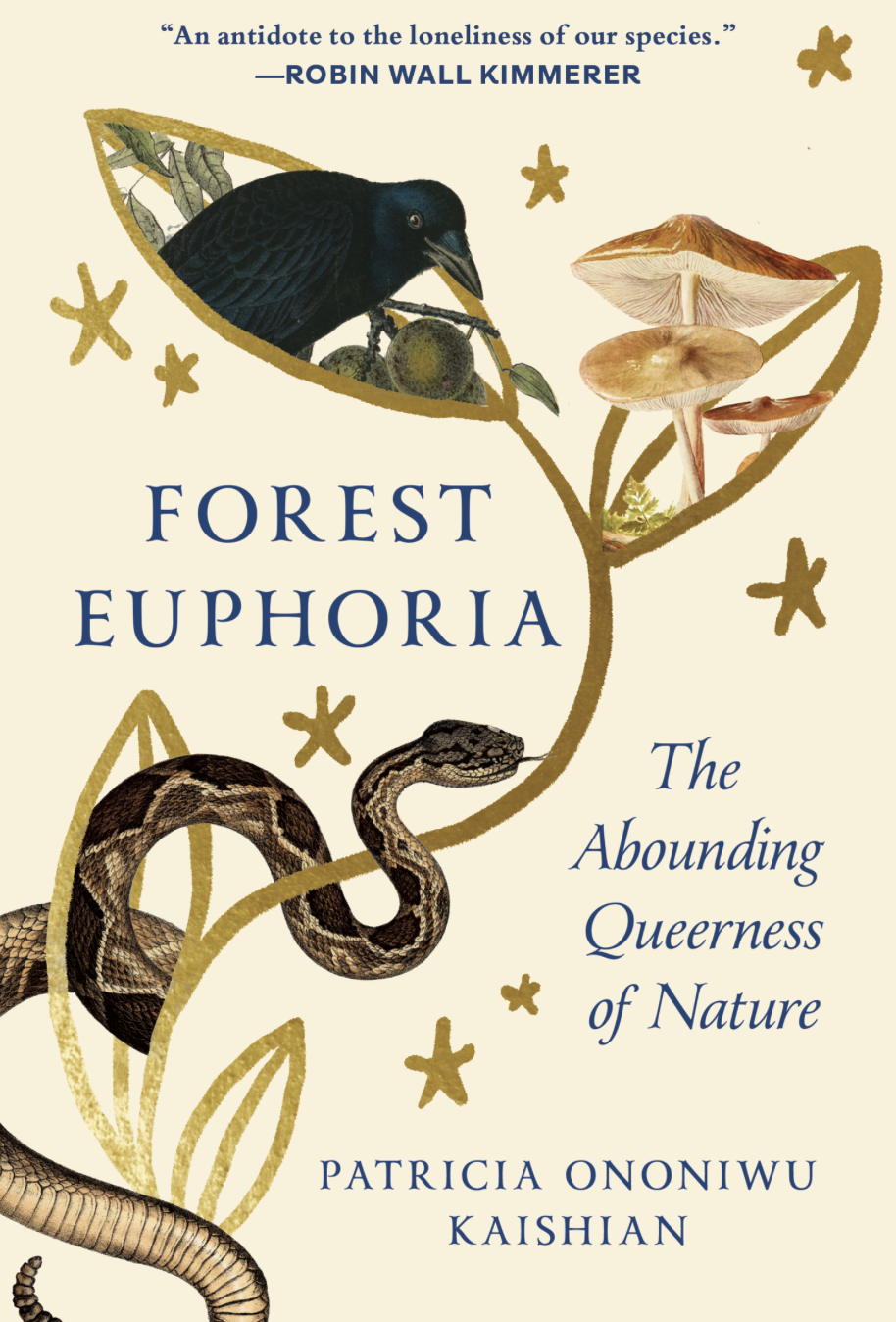
The Serviceberry: Abundance and Reciprocity in the Natural World, A Review

Robin Wall Kimmerer is a botanist, ecologist, a teacher and a member of the Potawatomi people of the Great Lakes region, from whom she learned her people’s particular world view, one once common amongst many indigenous peoples and in stark contrast to that of our present day dominant culture, which has lead us to powerfully shape our our world today. Her three popular books, “Gathering Moss”, “Braiding Sweetgrass” and her latest, “The Serviceberry”, present to the reader a glimpse into the natural world as seen from this ‘alternative’ world view. All three are enlightening reads and not overly technical. They are ‘invitations’ to see the world from a different perspective. The latest is the smallest, a book barely over 100 pages, with large type and in a small page format…a quick read, unless you pause to give what she presents some additional thought. The best, and the one I read first, is “Braiding Sweetgrass”.  Continue reading

What to Do? What to Do? On the Meaning of One’s Life

High in the Warner Mountains, Mountain Mahogany edging the near rim, looking across to Hart Mountain.

I spend a lot of time these days thinking about the meaning of life, understanding that the purpose of one’s life, is not a singular question, but one of the whole of it. Far too much time is spent with the concerns of one’s individual life; one’s accumulation of wealth, power, accolades, stuff….We are social animals, members of interwoven human groups, but are far more than that. Each of us are an integral part of ALL of the life around us. At the core of the question is who we are and what we ‘should’ do. Given all of the failures and goings on that bombard us today, all of the ‘takers’, abusers of power, the automatic almost banal destruction of the life around us, the losses accumulate and easily overwhelm us. Our’s today is a world of shrinking possibility. Calamity and catastrophes confront us from every direction. What is one to do? Continue reading

On Ornamental Trees and the Remaking/Unmaking of Place: Revising the City of Redmond’s Tree List, part 2

How Much to Water?

Recommending trees from climates with significantly wetter growing seasons needs to stop if we are to continue growing our population. Landscapes as designed, and managed, are the single largest user of residential water. Recommending trees which ignore this problem is irresponsible. Lower water use residential landscapes are possible. Local codes and recommendations must, however, reflect this priority.

Additionally, how much to water is a bit of a mystery to all of us and especially so to non-gardeners. How much? How often? Our watering practices should be determined by the local precipitation and the tree’s needs. What is commonly done, however, is that we water for our lawns and that largely determines what our trees receive, unless we have separate drip systems. A tree’s root system doesn’t stay neatly between the lines. They quickly extend out well beyond the span of the tree’s leafy canopy. In many cases even 2-3 times as far, taking up water and nutrients. A roots of a tree, planted in a small bed, adjacent to an irrigated lawn area, will move out into the lawn. A tree isolated in a xeric bed with only a few drip emitters, will quickly demand more than such a meager system affords it and such a tree, if it requires summer moisture, will struggle while competing with its nearby  ground level growing neighbors. Again ‘neighbors’ should share compatible requirements so all can thrive on the same ‘diet’ and moisture regime. Continue reading

On Ornamental Trees and the Remaking/Unmaking of Place: Revising the City of Redmond’s Tree List, Part 1

Perhaps an odd tree to start this with, Juniperus scopulorum ‘Woodward’, is not a ‘shade tree’. It is not deciduous. It is a narrow, fastigiate form of Rocky Mtn. Juniper that, growing to a height of 20′ with a 2′-3′ spread can serve as a formal accent in colder climates like ours as a ‘replacement’ for the more tender Italian Cyperss, and it can do quite well here with very little supplemental water.

Trees, specifically ornamental shade trees, have become an expected and desired part of our urban lives, at least util their leaves fall and await our cleanup. Many associate long tree lined streets and avenues with urban living. Broad Maples. Lofty Elms. Plane Trees and, in tighter spaces, perhaps Cherrys, Crabapples and flowering Plums. Urban trees provide several notable ‘environmental services’ increasing our comfort level with their cooling shade, their capacity to remove pollutants from the air, cover and nesting places for birds and the sequestration of carbon. Trees are generally viewed as a public good, necessary even for our lives. We can get quite emotional about them. So it seems a bit ‘wrong’ to suggest that this ‘ideal’ may not always be ‘best’ or even desirable.

Broadleaved deciduous shade trees are ‘naturally’ members of mesic, temperate to cold-temperate regions of the world. That is where they evolved and where when we plant them out, where they do best. When we begin planting them outside of their historic natural ranges, especially when we ignore the conditions, the disparities and the extremes between their natural ranges and those where we choose to plant them, then we can have some serious problems. The trees may struggle along, or if we remain committed to making up for our local area’s lacking, usually in the form of supplying more water, they can do reasonably well. But this suggests possible real problems as one moves further away from the conditions of a tree’s natural limits and increase the numbers planted out. Where is this water coming from and what are the impacts of removing this water from its normal and healthy cycling of which it is a part? What will be going without? And, is that cost worth the losses it creates? Our selection and planting decisions depend on how we value that which is lost! In short, the typical deciduous shade tree of our imaginings does not belong here in a desert. Continue reading

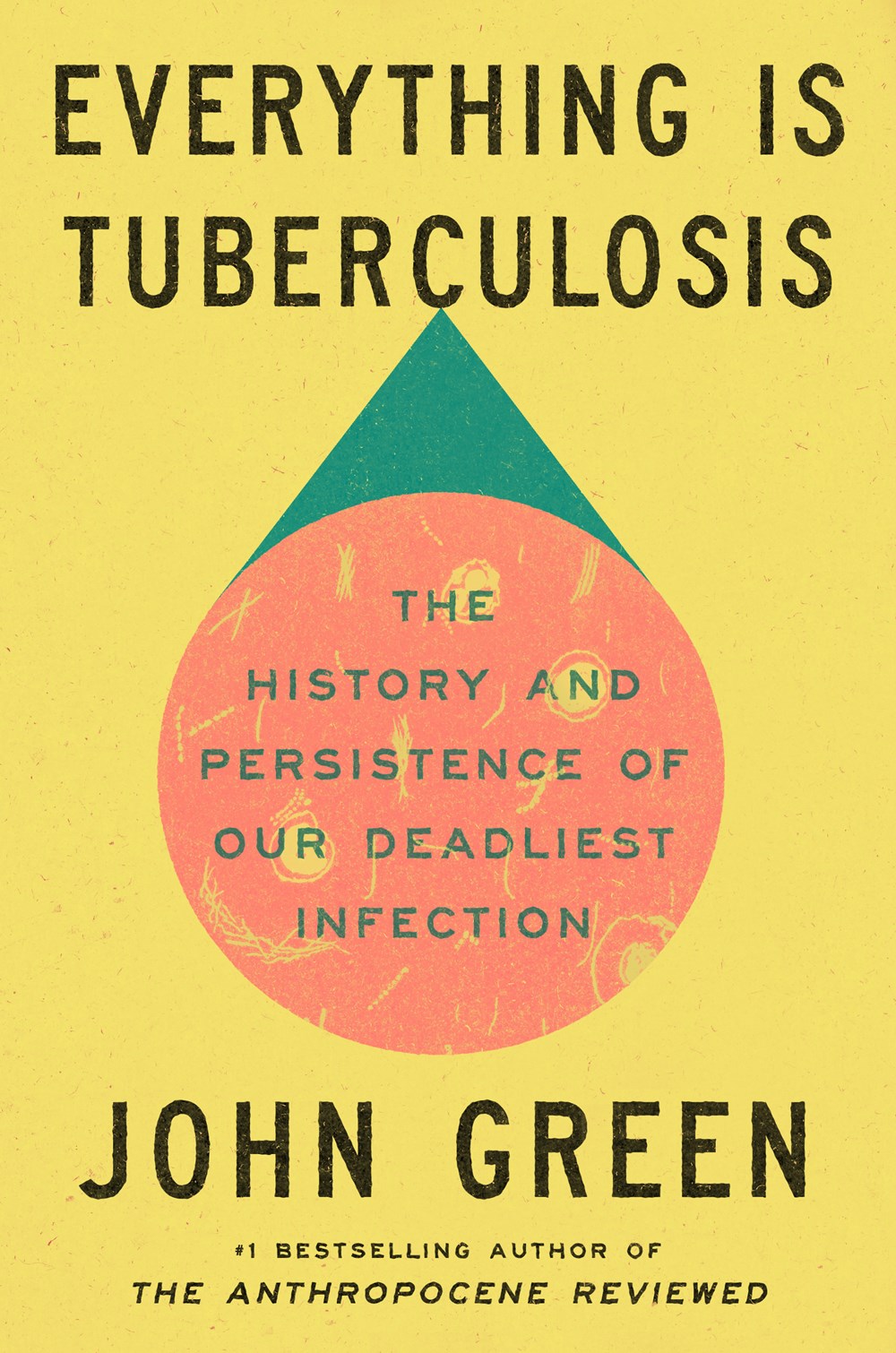
Crisis Averted and Other Good Books to Help Prepare You (Us) for the Next Pandemic

COVID-19, it’s pandemic, the fumbling attempts to head it off, all of the politicizing, the race to develop a vaccine, its distribution and administration and the curious and potentially disastrous attempts to undermine our confidence today in vaccines proven decades ago or for any disease, seem to be a fact of life today. While public acceptance of advice and programs advocated for by epidemiologists has always been difficult, many of us unknowingly owe our lives to their efforts, efforts that were they not made in years past, would have resulted in a world whose present populace might not be here, or if they were, in significantly compromised health and numbers. That is the nature of an epidemiologist’s life. Public doubt, fear and speculation, their work’s value invisible to the vast majority of us, because of what did not happen. Continue reading