Category Archives: Weeds

I Contain Multitudes: An Excellent Starting Point for the Beginner to Understand this Life

Ed Yong’s, “I Contain Multitudes” takes a different angle into the biology of organisms, looking not so much at the functioning of the individual as it does those countless single celled organisms, protists and tiny ‘critters’ that live within and upon us, bacteria, fungi, nematodes, viruses, dust mites etc. There are bacteria living within larger, multi-celled organisms with viruses living inside these….And these are not unusual relationships. Such relationships dominate all of life. Their exception is the rare event. Together, in their multiplicity, these constitute living communities, living in the very specific ‘biomes’, found on larger, seemingly independent organisms. Numbering in the thousands, millions, billions, even trillions, these tiny residents live in dynamic symbiotic, mutualistic, parasitic and antagonistic relationships with their hosts, often filling more than one role, depending on the host, the conditions and constitution of the biotic community. Whew! Yong’s book introduction, of the reader to this world, should lay to rest the idea that ‘we’ are truly ‘individuals’. The countless microbes that occupy and ‘invade’ us, have previously been considered unnecessary or consistently compromise our health, sources of disease.…The idea that we can ‘sterilize’ our way to better health denies the necessity of these organisms, or at least most of them, in the health of individuals.

No, he presents a variety of cases which illustrate the absolute dependence of an individual on these microbes, bacteria that breakdown our otherwise indigestible foods into forms that we can then absorb and utilize. Others that may live on our skin, defending us from attack, by providing a defense against other microbes that could otherwise infect us. Their are microbes that infect other microbes (see Martinez Arias’ book, “The Good Virus”), tiny ‘organisms’ that infect that disease’s vector, killing it before we become infected or blocking the disease causing microbe from infecting the vector, keeping it free from the organism which can cause disease in us. Continue reading

Mowing Firebreaks Across the Dry Canyon Bottom, Good Idea or No?

Mowing weakens the native plant community and aids the growth of weeds.

Mown adjacent to unmown. Aggressive spreaders will fill in more quickly and because of the weeds already in place, they will sieze a larger proportion of the mown area as they grow and spread.

While recently walking home through the Canyon, last month in December, I noted 8 new  strips, presumably ‘fire breaks’, mown across relatively flat and uniform sections of bottomland, each maybe 50’+ wide, spanning the bottom between the paved eastern path and the the main dirt western bike path. While I understand the thinking here, removing ground level fuels, this is a single purpose treatment that works counter to the Park’s purpose as a natural area preserve. Mowing down the Rabbitbrush, a ruderal, transition species of the Sagebrush Steppe plant community, delays the development of a healthy native plant community and encourages an increased array and density of weeds and invasives. Mowing this way provides open space for weed species already in Dry Canyon, as well as those not yet here, giving them larger ‘launch points’ from which they can spread into the rest of the Canyon. Mowing weakens natives, which are naturally slower to rebound from the damage than the aggressive weed species. Continue reading

Weeds: What We Need to Do at DCVS

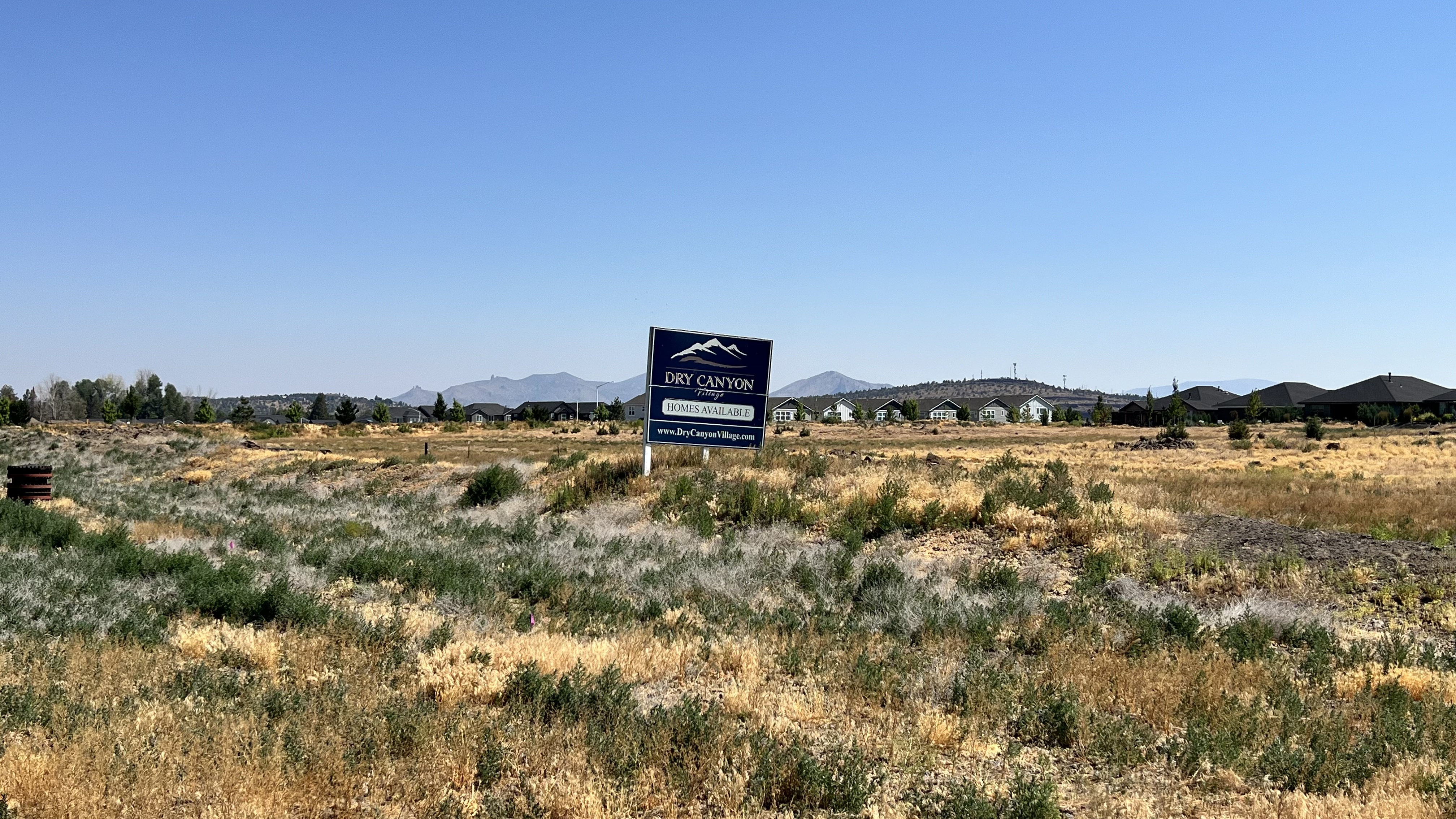
Looking NE from the gate at Northwest Way, other than a handful of juvenile Juniper there is literally nothing native of value across this roughly 9 acre spread. The other two undeveloped phases are equally bad, having a similar mix of weeds.

The question I keep hearing is, ‘What do we do?’ Many, if not most people living here now, have expressed frustration and more about the Dry Canyon Village South, DCVS’s, landscapes, specifically the berm, the mini-parks,  the Circle and the 25+ acres of undeveloped, uncared, for property we share space with. They ask me because they know I cared for Park landscapes, as a field horticulturist, for almost 30 years, Parks which often included natural areas of over 100 acres, to little neighborhood parks and intensively developed and used urban parks in the downtown core. I also haven’t been shy about my criticism of the lack of care, or of even a plan, for the neglected property we are saddled with. Anyone who has cared for a landscape can see the problem here. Leaving disturbed and neglected properties on their own is not a plan and can lead only to their further deterioration and continuing, worsening, ‘weed pressure on the adjacent developed landscapes. Continue reading

Weeds, Weeding and the Health of Our Public and Private Landscapes: an example from the ‘hood

Every gardener is a weeder. Gardens are created landscapes, often expressions of the individual gardener or, lacking of intent and design sense, those of a chosen designer. We live in our landscapes as active, responsible, creators, participants and stewards. Gardeners are trying to create a particular look or to grow particular plants native to their area, or with ornamental value or food plants to feed themselves and their families. Some of us are simply pursuing what we understand to be a healthy relationship with one’s place, to undo the damage and allow a new healthy and vital landscape to grow. These are landscapes of our choice. Our intention and control results in various volunteers and weeds finding their own place and so follows the need for weeding. 

We watch carefully, monitor the impacts of our work, attempt to understand what result is moving us closer to our goal and which might be indicators of further loss. Landscapes and gardens are incredibly complex systems and anyone who claims to have all of the answers is fooling himself and you. Our landscapes are broken, by us and our predecessors. The Pandora’s Box of weeds and disruption was burst open long ago. The only way ahead is to find a new path.  Weeds are here filling the niches we have collectively made and maintain for them. The more one is surrounded by aggressive, well adapted weeds, the more time we must spend controlling them. While this can be significant, gardeners mostly take the work in stride, a necessity to reach our goal, a goal which may be the simple act itself, of working in concert with our place…open to its teachings. Gardening, is a way of life, a smaller scale version of farming and the management of large ‘natural areas’ with their attendant commitment, rhythms and demands. Continue reading

Dry Canyon Proposal: the need for change in maintenance, use and planning

[The following is a piece I wrote and sent to our local Parks staff, its advisory citizens committee, mayor and city manager…I got little back in response. I’ve developed a relationship with one of the city arborists and the park’s planner as well as have met several active neighbors interested in protecting Dry Canyon’s natural areas, several of whom have natural resources backgrounds with agencies. The City has no natural resource or botanical staff. There is no formalized friends group, nor is their an outreach and public education program that addresses these problems and the role of residents in their solution. Signage is minimal and inadequate. Their horticultural expertise would also seem quite limited. This is understandable as the City’s population has grown very rapidly in recent years. The need for such programs and an increase in expertise on staff will only increase as Redmond’s population continues to grow.]


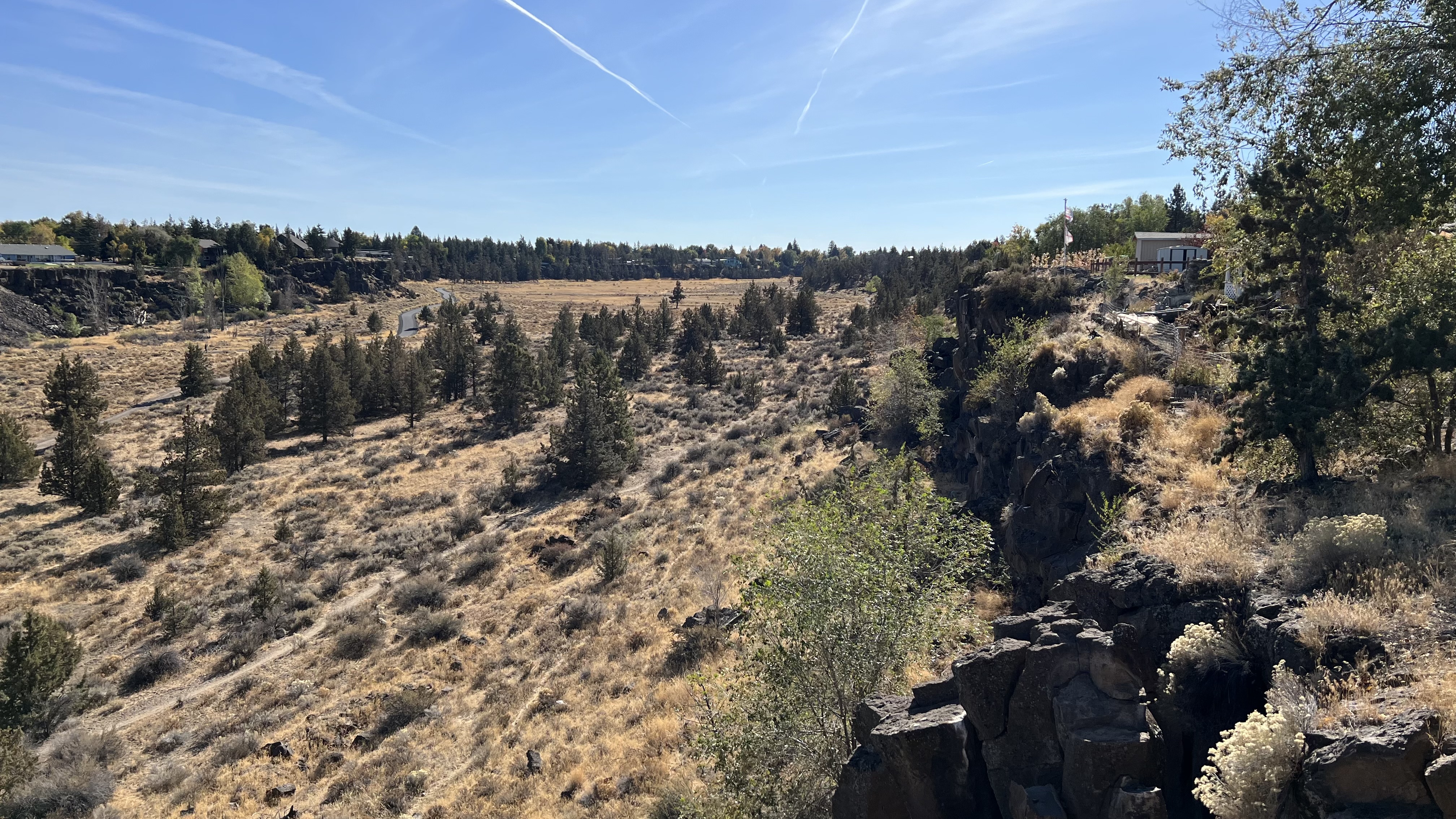
Redmond’s Dry Canyon looking south from the west rim on the Maple Street Bridge. The area in the immediate foreground burned this last summer.

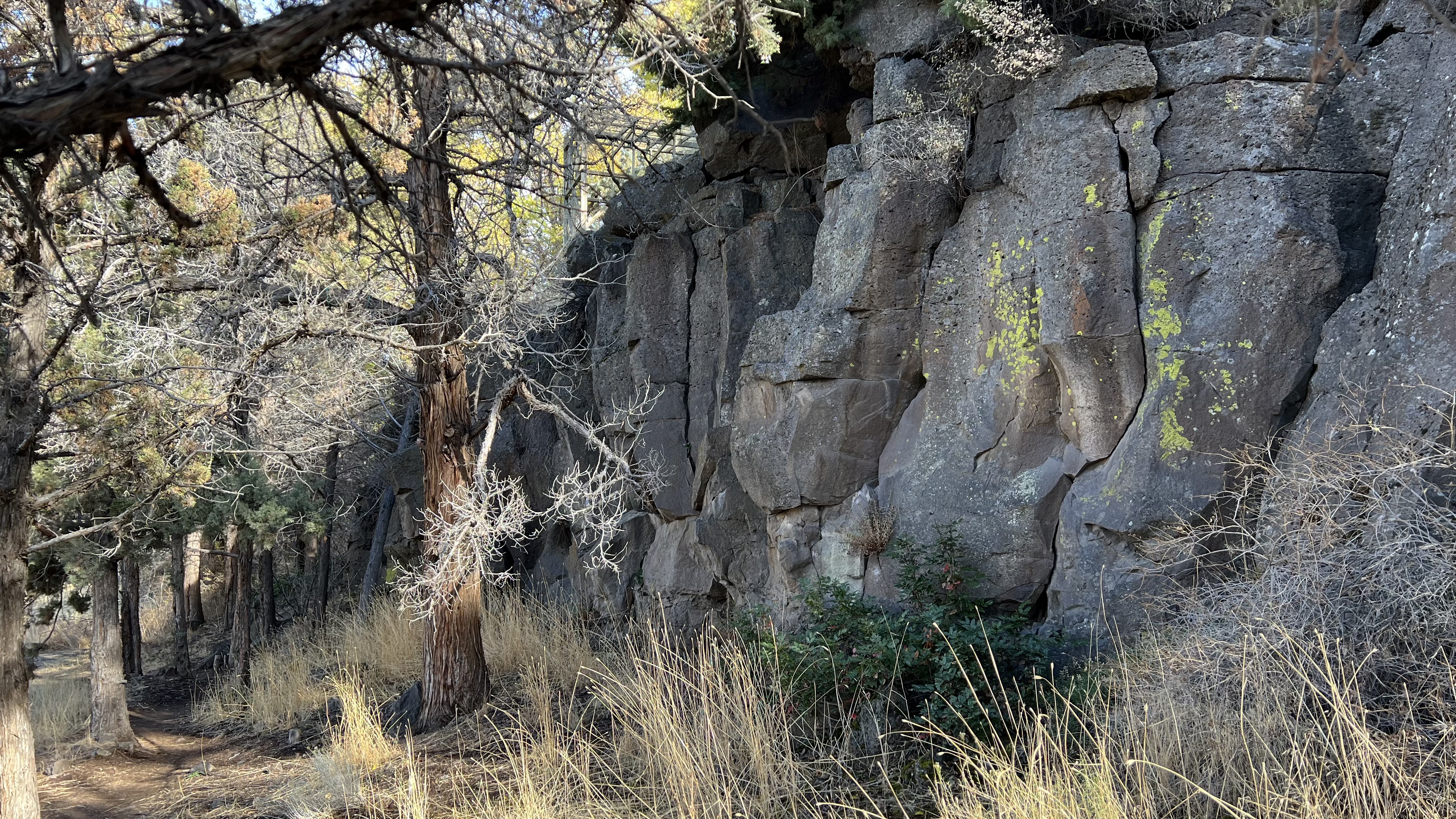
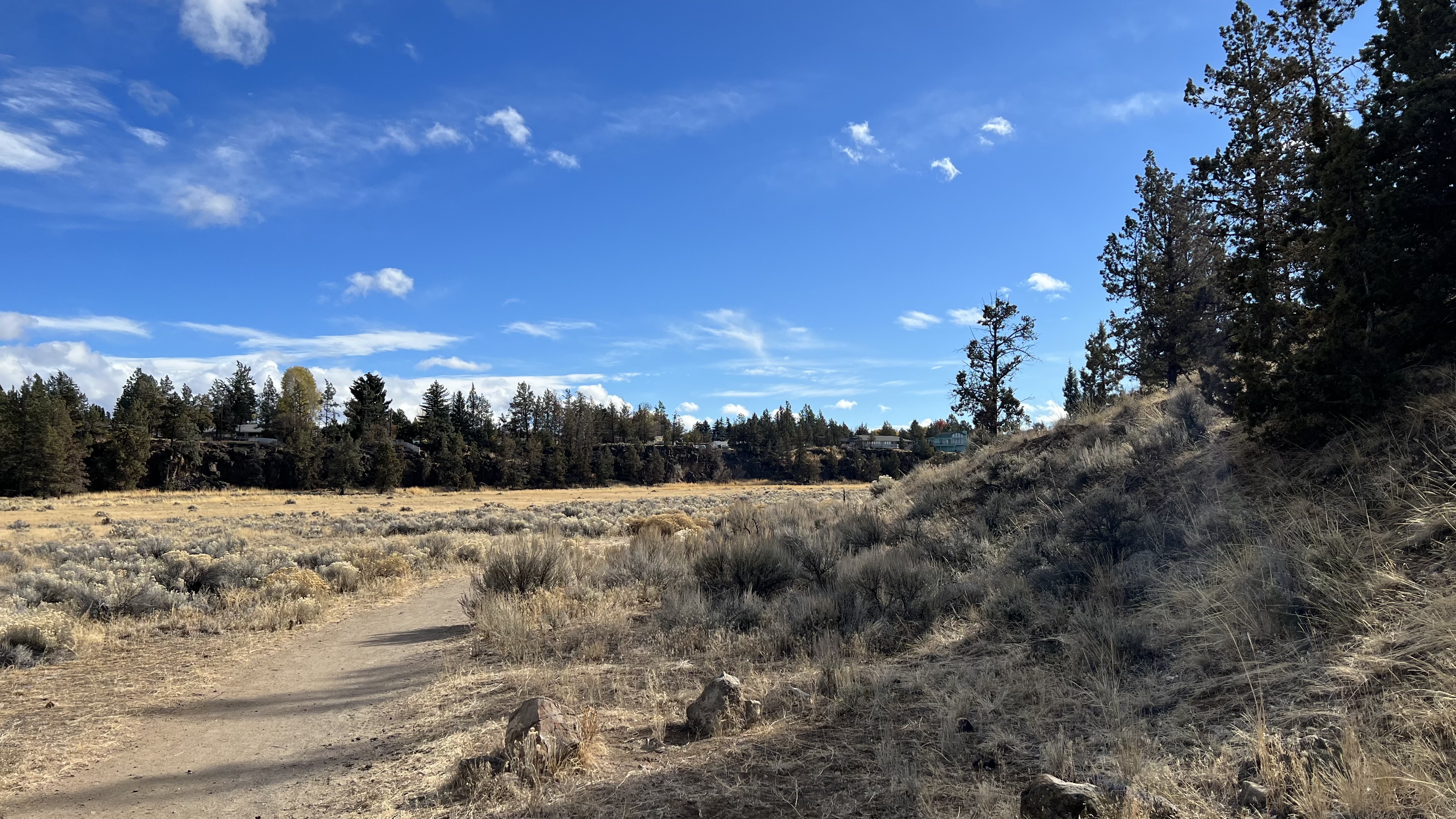
A typical view at the base of a section of relatively unbroken rim on the east side.

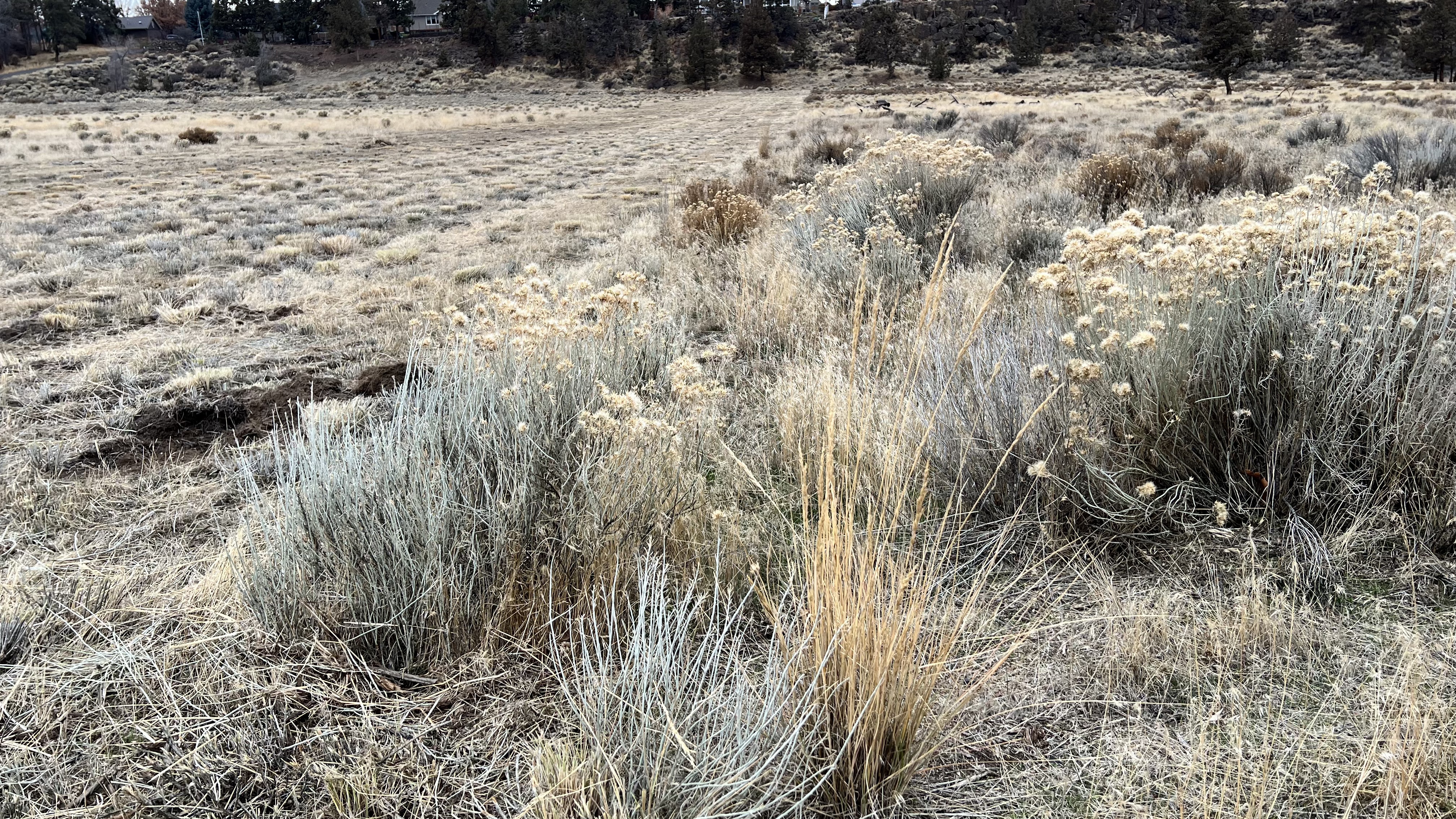
The canyon floor is variable, but as this pic shows, a solid layer of hardened lava underlies what soil is here, either blown in or washed in, a limiting factor of what can grow here. Rabbitbrush is a common and ubiquitous native pioneer.

Match of the canyon floor is recovering from pasture use. These areas have relatively deep soils and are still transitioning with many weedy mustards, annual grasses like Cheat and planted grasses like Crested Wheat and Annual Barley. Native Bluebunch Wheat is scattered as are other natives. Gray Rabbitbrush, a native seral species has moved into much of it, but the weeds are dominant. Sagebrush and Bitterbrush are more at the edges and lower rim areas.

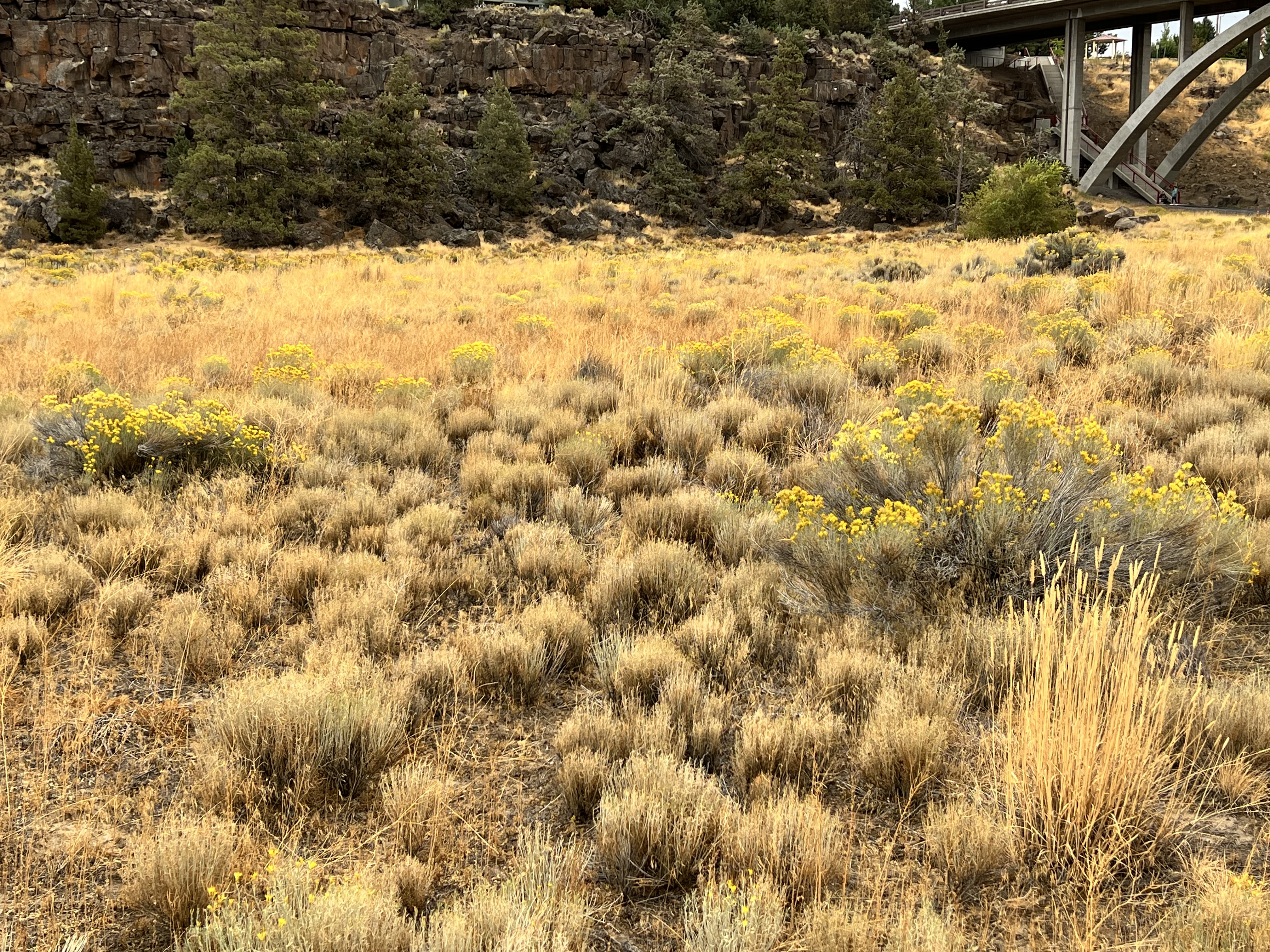
This section of bottomland, former pasture, probably burned not that long ago, has quite a colony of Rabbitbrush coming along, all it would appear of even age, suggesting a fire. Rabbitbrush are early colonizers and ‘prepare’ the way for natives to follow. This is just north of the Maple Bridge.

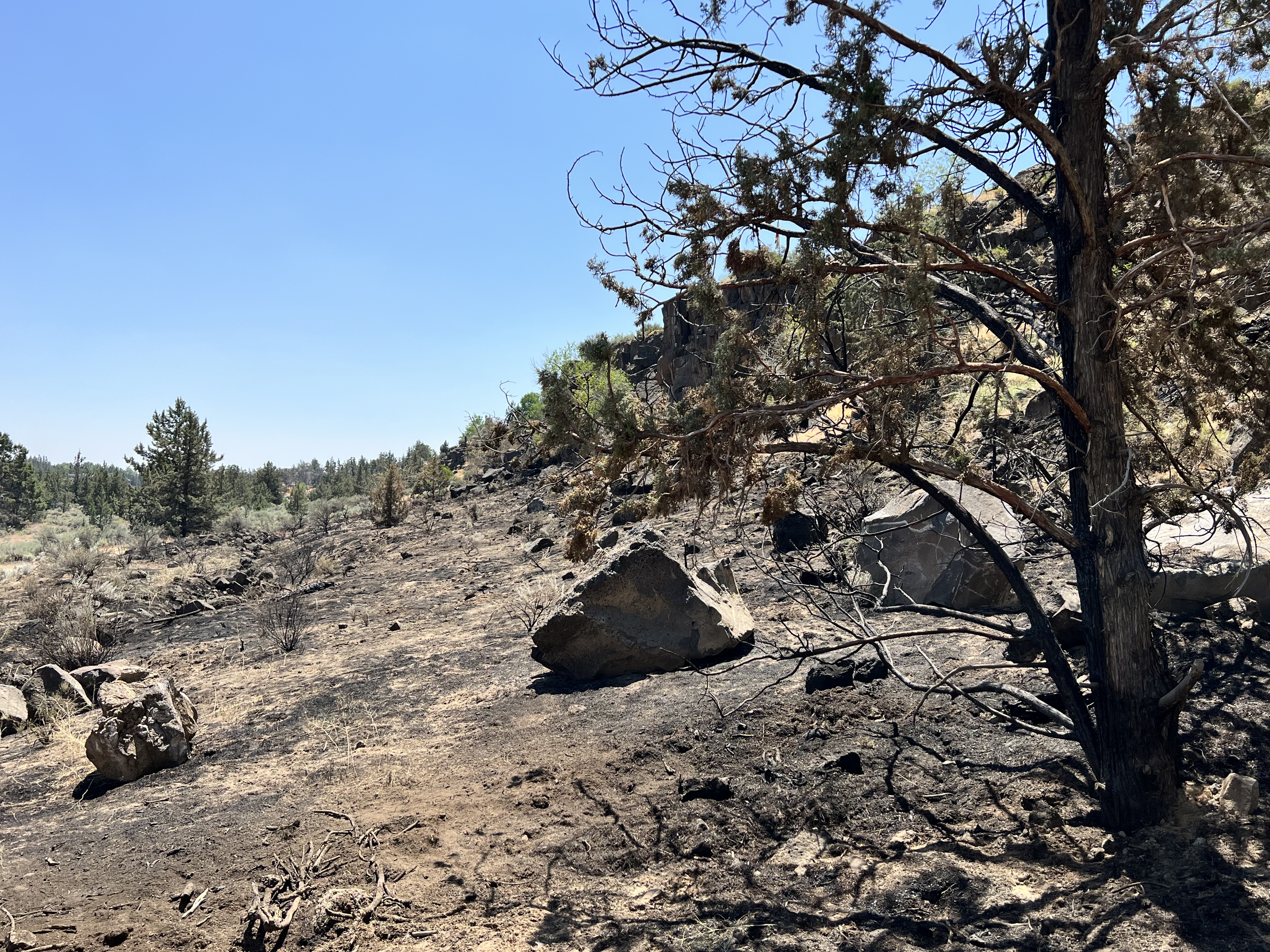
This area, maybe 5 acres, burned in July. It will be interesting to see what comes back and what the City may plant??? Fire kills Sagebrush and Juniper, while it seems to favor Cheatgrass. So far, April ’24, nothing has been replanted. The window for seeding is closed. Rabbitbrush can survive a burn. This site is unfenced, with very fragile soils and we’ve already observed new bike trails in it.

My wife and I are both recent returnees to Central Oregon having both grown up here. We are also frequent walkers in Dry Canyon, a place I spent many hours in playing and exploring as a kid in the 60’s. Redmond has changed a lot over the intervening years…change that continues apace as it grows. I’m not going to whine about the ‘good old days’ and things lost. Much of the change I welcome or at least accept (We did move back!), but population growth, in addition to bringing along economic vitality and stability, new and enriching opportunities and a more diverse community, increases the ‘pressures’ on the naturally limited assets that largely define the place and attract residents. I’m speaking here of the natural landscape, its features and the opportunities which it affords us for recreation and quiet enjoyment. Realtors were once fond of saying that no one is making new land, as a prompt for buying…it is a fixed and limited quantity. This limitation has profound implications for a growing population. We have far more people today ‘enjoying’ a limited, and increasingly over utilized landscape. Continue reading

Knapweeds in Redmond’s Dry Canyon and the Pursuit of a Healthy Landscape

Redmond’s Dry Canyon looking south from the west rim on the Maple Street Bridge. The area in the immediate foreground burned this last summer.

If you garden, or maintain a landscape, you come to understand that not all weeds are the same. Each will have its own ‘strengths’, or perhaps you might call it ‘virulence’. Any particular weed, just like any other plant, will respond ‘positively’ to supportive growing conditions, conditions which often closely align with those which exist in its place of origin. Plant explorers and nursery growers are always looking for ‘new’ plants for landscape use. in a way, they have to walk a fine line. They must find plants, that with reasonable effort on the part of the gardener, can thrive across a range of conditions, unless they are looking for specialty plants, for narrow, niche, markets. The introduction of new plants must be somewhat measured, our enthusiasm tempered, because plants which are too adaptable, too vigorous, may possess the ability to escape our cultured gardens and find a place in the surrounding, uncultivated, landscape.

For Central Oregon, when we look beyond our regional natives, we must keep this in mind. Exotics from similar growing and climatic regions around the world offer both promise and threat. We want our plants to be successful, but not too. Sometimes through the process of trade, the movement of livestock and agricultural products, particularly aggressive species hitch a ride. A few weed seeds can be easy to miss. If they are aggressive enough and go unnoticed, a distinct possibility, it is likely that they wont be detected until a sizable local population asserts itself…and if no one is watching, that can be a fateful error. One group of plants, with many wonderful possibilities, also include species which can be exceedingly problematic here in Central Oregon, these are from regions sometimes referred to as Steppe. Continue reading

Sex, Evolution and Form: Clarifying the Relationship Between Dandelion and the European Honey Bee

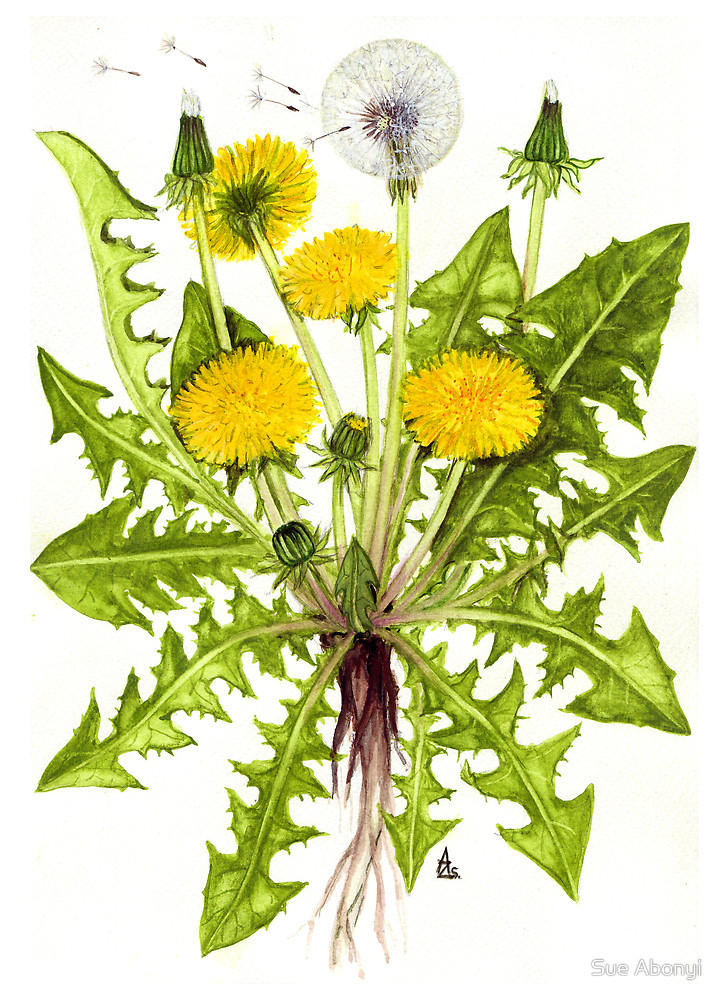
With the artist’s, Sue Abonyi’s, permission.

The European Honeybee, EHB, and the Common Dandelion, are both ubiquitous in our modern urban lives though the one is portrayed as being both essential to our lives while its future is threatened and dependent upon our constant support. The Dandelion in contrast is a product of our disruption of the natural world and our very way of life and continues on as a pest species despite our efforts to ‘control’ it. They viability of the EHB is often linked to the continuation of a large population of Dandelion individuals. The EHB certainly benefits from the Common Dandelion finding ready individuals across our lawns and gardens, but the dandelion isn’t particularly dependent upon the EHB. The common dandelion, Taraxacum officinalis, is apomictic and doesn’t require pollinators at all. Apomixis isn’t a fancy word for ‘selfing’ or wind pollination either…what it means is that it, in lieu of an available pollinator, possess the capacity to skip over meiosis, the entire part of sexual reproduction in which an organism’s typical double, pair of chromosomes, which exist normally in all cells, and are known as diploid, ‘di’ for two sets of chromosomes, are reduced by half, to one set in ‘sexual’ cells, known as gametes, the sperm and egg cells, their chromosomes now ‘haploid’. Then, after pollination, the two haploid chromosomes are reunited uniquely through the process of fertilization. This is is the process skipped over in an apomictic plant. While it possess all of the ‘accoutrements’ of all flowering plants, stamen with their filaments and anthers, pistils with their stigma, style and fused carpels or ovaries, Dandelions are able to ‘short-circuit’ the process and produce viable seed on their own from their undivided, diploid, cells. Ever noticed how Dandelion seed heads always tend to be filled out? Perfectly spherical? Continue reading

Controlling English Ivy and Clematis vitalba in the Landscape

I wrote the piece that follows while still a horticulturist working for Portland Parks about 20 years ago. It remains largely in its original form with a few additions, corrections and updates.  Both plants are still under addressed in the landscape today.  While employed I maintained my license as a public applicator of pesticides, a job requirement.  I no longer have one, nor do I have a consultant’s license.  In many cases herbicides can be an essential part of an effective strategy for the control of an established population of invasive plants.  Invasive plants, like these, which are listed on your State’s Noxious Weed List,  are there because of the the threat they pose to the environment and their capacity to infect and dominate a landscape, any landscape, across our region.  In more than a few cases manual and mechanical methods of control alone are insufficient to ‘control’ the invasion and sole reliance on them will assure the failure of the establishment of a desirable landscape on a site.  Herbicide use is thus justified.  Large scale restoration projects are often dependent upon it.  On a smaller residential property, with commitment and persistence, a homeowner may be successful, but even then they need to understand that there will be a continuing and significant threat of reinfection from surrounding properties, via birds carrying the fruit of Ivies and wind blown seed from Clematis.  For some species, especially when the scale of the invasion and property are larger, its use may be essential.  For many weeds this herbicide ‘threshold’ is very low before its use is a requirement.  In this way scale works for homeowners as their properties and problems are smaller.  Too often though properties are neglected and then the buyer inherits a serious problem.  Using any herbicide will always have potential adverse effects on the environment, so if you choose to use it make sure you do so effectively. If you choose to use any of my herbicide suggestions, you are on your own.  Do your research, understand your problem, to assure that your actions are effective, safe and responsible.

Getting Down to it: Your Viney Culprit is Probably Hedera hibernica, Irish Ivy, or More Rarely H. colchicum

English Ivy, a friend and co-worker announced early on in a then still continuing series of work meetings concerned with various issues of invasive plants, has been a kind of “anti-poster child” for those working in the regional conservation and restoration field.  Its spread and control has been the subject of innumerable meetings, proposals and actions both fruitful and not.  Eradication is no longer considered a realistic goal by many.  The focus, rather, is on limiting its spread and control.  Like other exotic invaders and introduced guests now run amok, from diseases to various shellfish and weeds, once a particularly well adapted species establishes a viable population base, it becomes a part of the disturbed novel landscape…it’s here and we’re going to have to figure out how to deal with it.  This has always been the way of the world.  The difference today is the rapidity with which these changes have been introduced through trade, the peripatetic travels of man (Man in the generic sense) and our never ending appetite for the consumption and disruption of land.

Continue reading

Cottonwood Canyon on the John Day River: Place, Plants and Experience

IMG_1077

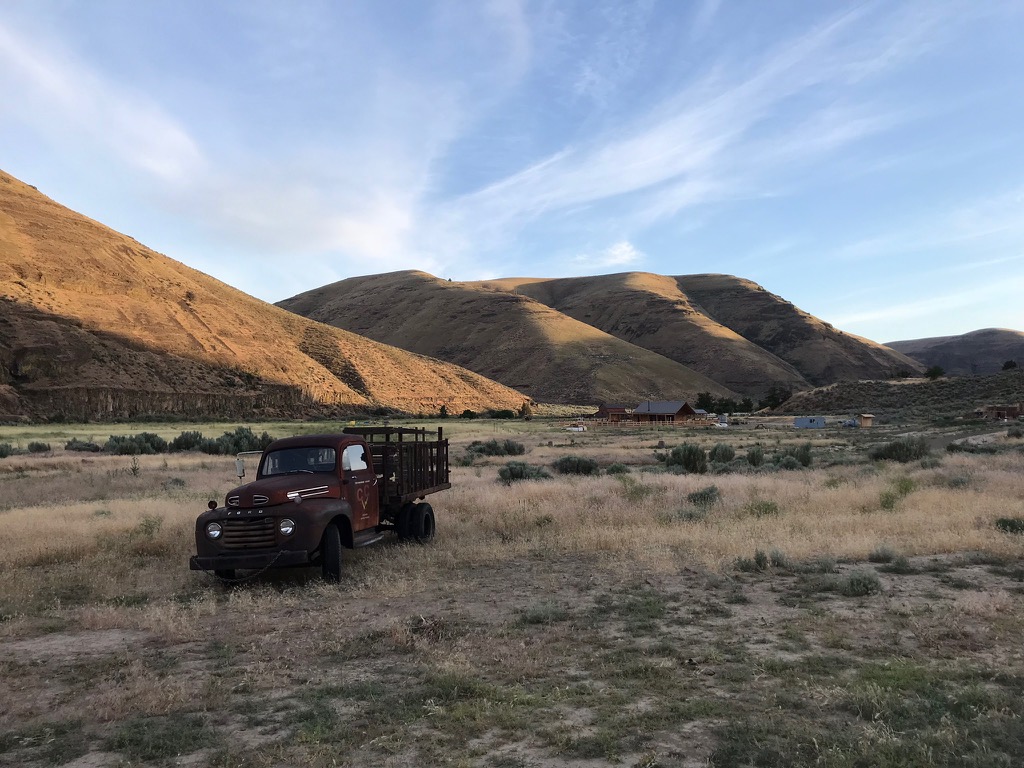
Cottonwood Canyon State Park, near the campground, looking upstream toward the old Murtha barn and common buildings, the evening sun climbing the worn canyon sides. The Park retained some of the old ranch equipment.

Massive lava flows pushed around the lower John Day and Deschutes rivers over the course of several million years leaving them to find and carve new routes, often next to the very ‘plugs’ that filled their former canyons!  Today, deep below the layers of hardened basalt that form the palisades and ramparts projecting out in tiers from the smooth full curves that rise above us, we look through 15 million years of accumulated history.  The fine grained basalt shatters and fractures in line with their mineral structure under the forces of water, weather and gravity.  Sagebrush and grasses dominate revealing an oddly ‘netted’ pattern across the sloping canyon hillsides, lit by the often harsh sunlight, illuminating some kind of subsurface movement of the thin soils that soften the slopes.  The ‘net’ looks as if it had been draped across the land then stretched sideways catching and snagging on what lies beneath in a never the same, but consistent repeating pattern.  It shows best when the angle of the sun comes across the pattern, not when it hits it head on or when clouds make it too diffuse.  Coarse falls of shattered basalt spill down to the canyon’s bottom always seeking their angle of repose.  The sagebrush steppe plant communities cover the surface and in their richness and vigor speak to the soils beneath.  Along seeps and drainages cutting verticallly down the canyon’s face, spring lasts weeks longer, and species crowd in that you won’t see other than near the river.  The surface botanical palette in this way reveals what lies beneath…if one knows what to look for.  Cottonwood Canyon State Park is a great place to observe this. Continue reading

Hiking at Riley Ranch Nature Reserve and Along the Deschutes River

It’s the edges, the margins, that always contain the most diversity.  Large expanses of unbroken landscape take a portion of their character from their scale, a vastness, that the uninterested can often view as monotonous.  Seemingly endless expanses of ocean, desert, prairies even forests, can lull some into indifference, a kind of blindness, in which they lose interest and fail to see the intricacy and richness of that which surrounds them….By overlapping two different landscapes places can take on a complexity that neither has alone…and may even arouse many of those inured to the natural world surrounding them.  Two different landscapes sharing a common edge can form ecotones, where each landscape contributes species in patterns not found across the vastness of each alone.  Cut a river through an arid landscape and it becomes altogether different often with stark changes within a few feet.  Such is the arid canyon landscape of the Deschutes River immediately north of Bend, OR.


Continue reading