Category Archives: Horticulture

The Cut Leaf Thelypody in Dry Canyon

[Plants of the Dry Canyon Natural Area – This will be the start of a new series focused on the plants of Redmond’s Dry Canyon. I’m creating them to be posted for ‘local’ consumption on the Friends of North Dry Canyon Natural Area. It’s a City Park including about 166 acres at the north end of Dry Canyon Park which the City has identified as a Natural Preserve. The group works as an advocate with the City, on public education and helping with on the ground work projects. I’ll identify each such post here.]

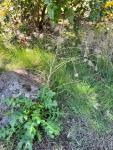
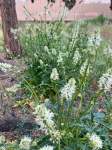
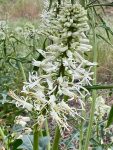
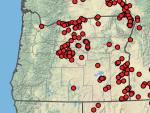
As you walk the trails below the canyon rims you will be seeing these growing scattered and in bunches. This is the Cut Leaf Thelypody, Thelypodium lacinatum. These are common where ever there’s a bit of soil between the rocks on the slopes below the rims growing amongst the tumble of massive basalt. I’ve seen these elsewhere growing in other eastside Oregon canyons with similar conditions.
These are members of the Mustard family, prolific seed producers and quite competitive. Another plant that, at least so far, doesn’t venture out into the canyon’s bottomland.
Elegant when it first starts flowering, like so many native annuals and perennials, these start declining while they proceed through their flowering season detracting from their appearance. What do I mean…each spent flower, begins to form its narrow, linear, Mustard seed capsule, quickly maturing its tiny seed and then drying, twisting and browning, while the inflorescence continues to bloom out towards its terminal end. A little messy, yes, but characteristic of these plants. We humans are relatively intolerant of such decline in our garden plants and so generally refuse them admission. Under the local wild conditions, as dry as they are, species tend to either be early flowering, when soil moisture is still most available or those like this that begin to decline before the show is over. Summer drought is a ‘cruel’ taskmaster. There are exceptions to this rule but….

https://oregonflora.org/taxa/index.php?taxon=8778

On Ornamental Trees and the Remaking/Unmaking of Place: Revising the City of Redmond’s Tree List, part 2

How Much to Water?

Recommending trees from climates with significantly wetter growing seasons needs to stop if we are to continue growing our population. Landscapes as designed, and managed, are the single largest user of residential water. Recommending trees which ignore this problem is irresponsible. Lower water use residential landscapes are possible. Local codes and recommendations must, however, reflect this priority.

Additionally, how much to water is a bit of a mystery to all of us and especially so to non-gardeners. How much? How often? Our watering practices should be determined by the local precipitation and the tree’s needs. What is commonly done, however, is that we water for our lawns and that largely determines what our trees receive, unless we have separate drip systems. A tree’s root system doesn’t stay neatly between the lines. They quickly extend out well beyond the span of the tree’s leafy canopy. In many cases even 2-3 times as far, taking up water and nutrients. A roots of a tree, planted in a small bed, adjacent to an irrigated lawn area, will move out into the lawn. A tree isolated in a xeric bed with only a few drip emitters, will quickly demand more than such a meager system affords it and such a tree, if it requires summer moisture, will struggle while competing with its nearby  ground level growing neighbors. Again ‘neighbors’ should share compatible requirements so all can thrive on the same ‘diet’ and moisture regime. Continue reading

On Ornamental Trees and the Remaking/Unmaking of Place: Revising the City of Redmond’s Tree List, Part 1

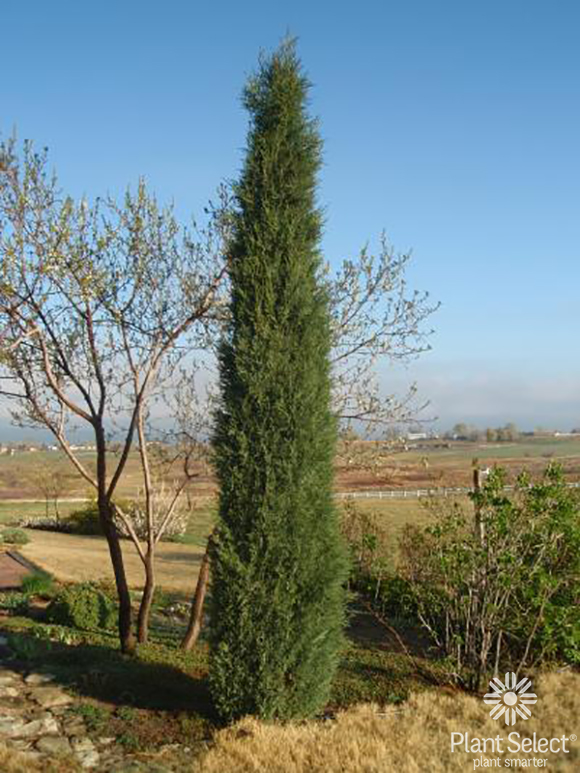
Perhaps an odd tree to start this with, Juniperus scopulorum ‘Woodward’, is not a ‘shade tree’. It is not deciduous. It is a narrow, fastigiate form of Rocky Mtn. Juniper that, growing to a height of 20′ with a 2′-3′ spread can serve as a formal accent in colder climates like ours as a ‘replacement’ for the more tender Italian Cyperss, and it can do quite well here with very little supplemental water.

Trees, specifically ornamental shade trees, have become an expected and desired part of our urban lives, at least util their leaves fall and await our cleanup. Many associate long tree lined streets and avenues with urban living. Broad Maples. Lofty Elms. Plane Trees and, in tighter spaces, perhaps Cherrys, Crabapples and flowering Plums. Urban trees provide several notable ‘environmental services’ increasing our comfort level with their cooling shade, their capacity to remove pollutants from the air, cover and nesting places for birds and the sequestration of carbon. Trees are generally viewed as a public good, necessary even for our lives. We can get quite emotional about them. So it seems a bit ‘wrong’ to suggest that this ‘ideal’ may not always be ‘best’ or even desirable.

Broadleaved deciduous shade trees are ‘naturally’ members of mesic, temperate to cold-temperate regions of the world. That is where they evolved and where when we plant them out, where they do best. When we begin planting them outside of their historic natural ranges, especially when we ignore the conditions, the disparities and the extremes between their natural ranges and those where we choose to plant them, then we can have some serious problems. The trees may struggle along, or if we remain committed to making up for our local area’s lacking, usually in the form of supplying more water, they can do reasonably well. But this suggests possible real problems as one moves further away from the conditions of a tree’s natural limits and increase the numbers planted out. Where is this water coming from and what are the impacts of removing this water from its normal and healthy cycling of which it is a part? What will be going without? And, is that cost worth the losses it creates? Our selection and planting decisions depend on how we value that which is lost! In short, the typical deciduous shade tree of our imaginings does not belong here in a desert. Continue reading

Two Summers into Our New Garden in Redmond, Oregon’s High Desert Country

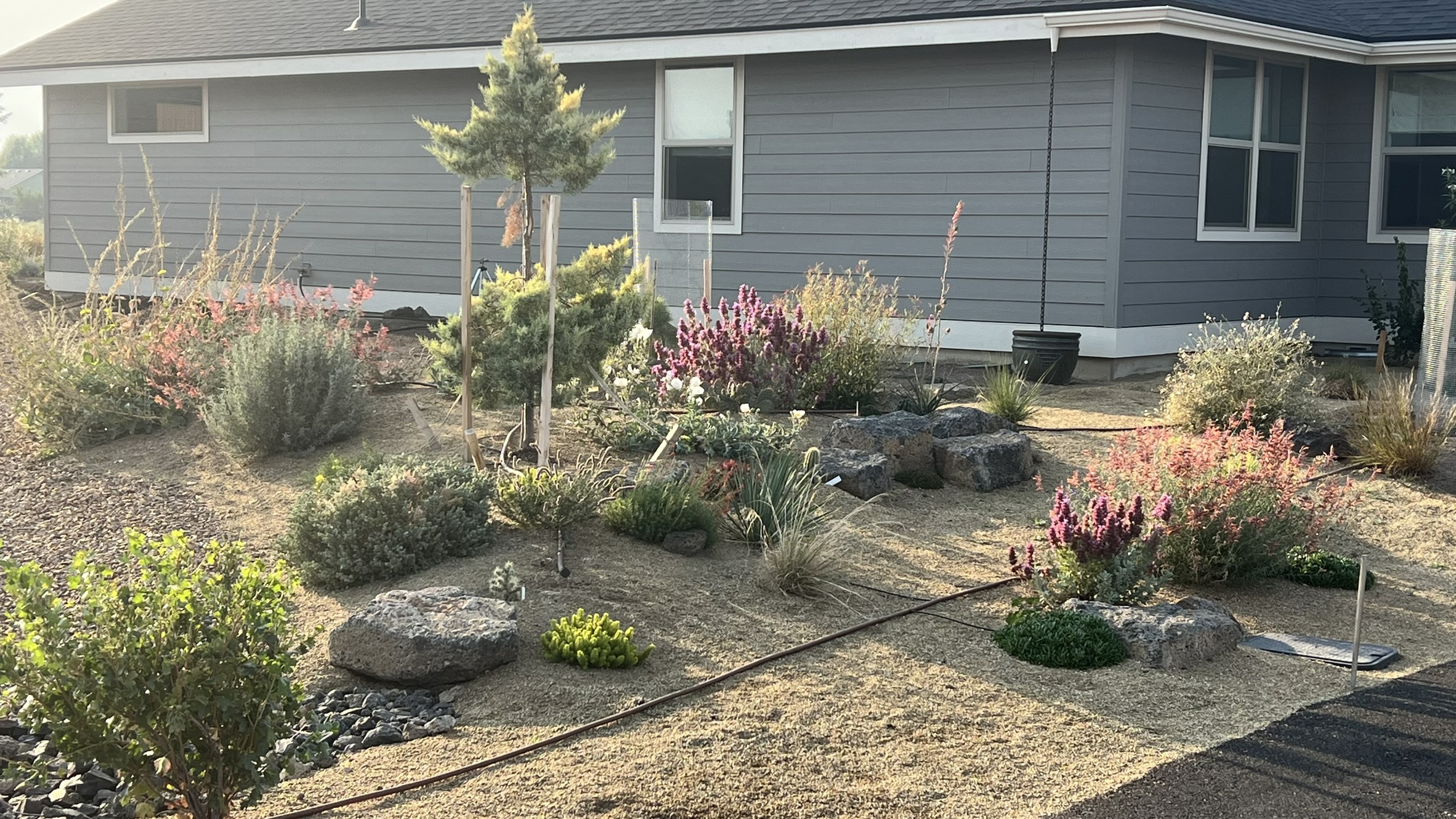
Part of the S’W Arc Garden’ featuring plants from the SW US. My Cupressus grayii Sulphurea showing the damage wrought by a rutting buck last fall. The low berm was created from the material produced by regrading the abrupt drop to the sidewalk. The rock was used here and in back. I also collected a couple tons of rock to use from elsewhere on undeveloped parts of ‘Dry Canyon Village’ and placed an additional almost 20 yds of topsoil.

We’ve just gone through our second summer season in the new garden beginning with a blank slate other than the local weeds. While I grew up here we’d been ‘gone’ in Portland where we lived, worked and gardened between the Fall of ’85 and ’22. It’s a world of difference here three USDA hardiness zones colder where our last two winter’s have subjected us to long Zn 6b conditions, -5F while Portland experienced its far shorter winter and cold down into the mid-teens, which is colder than their new ‘normal’ range of lows which puts them in Zn 9. One of the biggest differences is that in the past rain year, running from Oct. 1 – Sept. 30. we’ve received only 6.66″ of precip around 2.5″ less than our 9″ or so normal. It’s colder here; the growing season is far shorter, yesterday, Oct. 5, we dropped to 30ºF; drier; the wind blows more consistently and the solar radiation is more intense at 3,000′; all of which greatly effect both what you can grow here and how it performs. Gardening ‘know how’ can only get you so far. I’m not really going to get into the deer problem here and it is a problem as we are on the edge of town adjacent to a major Mule Deer wintering area. Anyway, as gardening is always at least a bit of an adventure, these last two have been far more than a ‘bit’. Continue reading

Weeds: What We Need to Do at DCVS

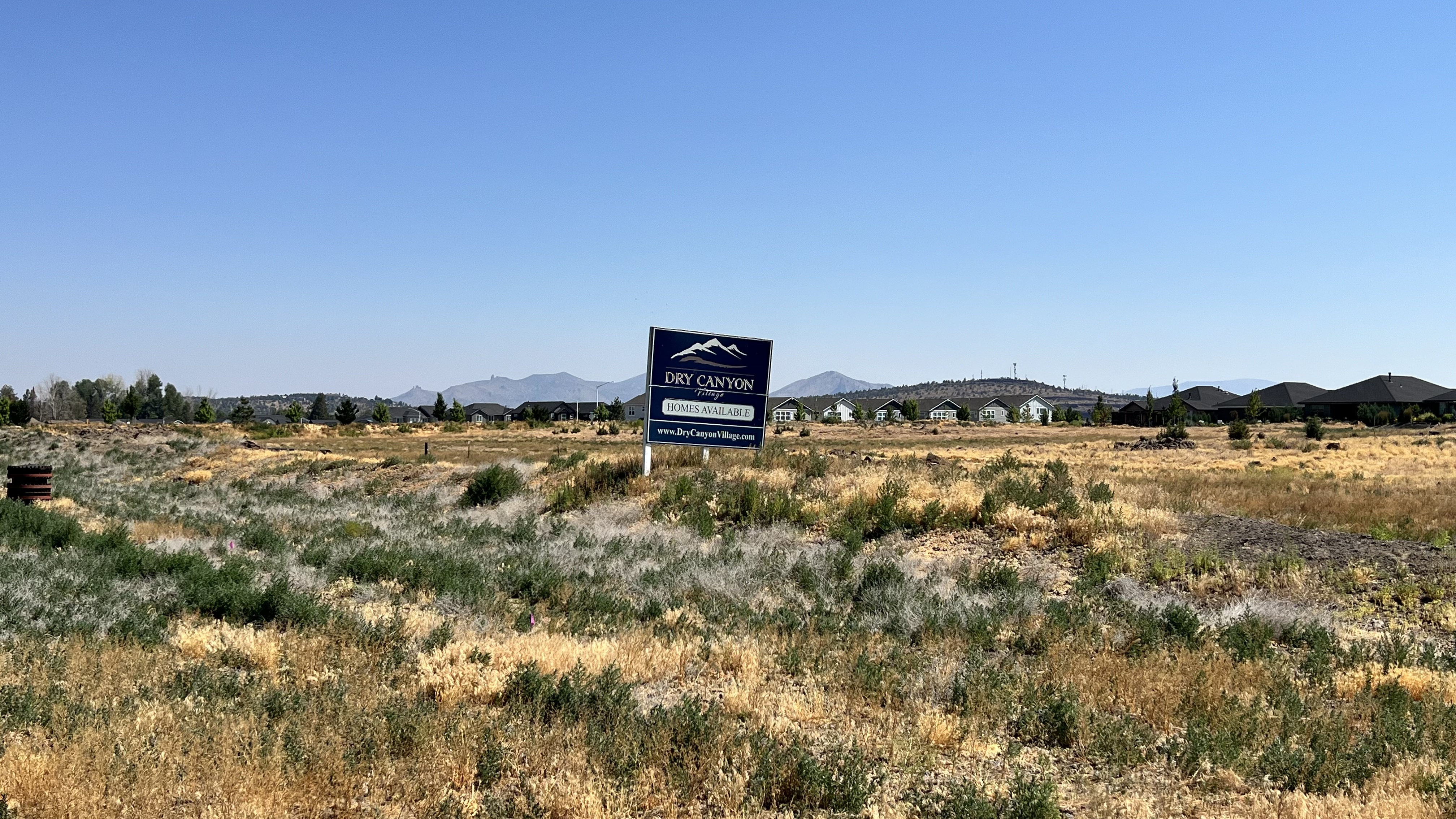
Looking NE from the gate at Northwest Way, other than a handful of juvenile Juniper there is literally nothing native of value across this roughly 9 acre spread. The other two undeveloped phases are equally bad, having a similar mix of weeds.

The question I keep hearing is, ‘What do we do?’ Many, if not most people living here now, have expressed frustration and more about the Dry Canyon Village South, DCVS’s, landscapes, specifically the berm, the mini-parks,  the Circle and the 25+ acres of undeveloped, uncared, for property we share space with. They ask me because they know I cared for Park landscapes, as a field horticulturist, for almost 30 years, Parks which often included natural areas of over 100 acres, to little neighborhood parks and intensively developed and used urban parks in the downtown core. I also haven’t been shy about my criticism of the lack of care, or of even a plan, for the neglected property we are saddled with. Anyone who has cared for a landscape can see the problem here. Leaving disturbed and neglected properties on their own is not a plan and can lead only to their further deterioration and continuing, worsening, ‘weed pressure on the adjacent developed landscapes. Continue reading

Weeds, Weeding and the Health of Our Public and Private Landscapes: an example from the ‘hood

Every gardener is a weeder. Gardens are created landscapes, often expressions of the individual gardener or, lacking of intent and design sense, those of a chosen designer. We live in our landscapes as active, responsible, creators, participants and stewards. Gardeners are trying to create a particular look or to grow particular plants native to their area, or with ornamental value or food plants to feed themselves and their families. Some of us are simply pursuing what we understand to be a healthy relationship with one’s place, to undo the damage and allow a new healthy and vital landscape to grow. These are landscapes of our choice. Our intention and control results in various volunteers and weeds finding their own place and so follows the need for weeding. 

We watch carefully, monitor the impacts of our work, attempt to understand what result is moving us closer to our goal and which might be indicators of further loss. Landscapes and gardens are incredibly complex systems and anyone who claims to have all of the answers is fooling himself and you. Our landscapes are broken, by us and our predecessors. The Pandora’s Box of weeds and disruption was burst open long ago. The only way ahead is to find a new path.  Weeds are here filling the niches we have collectively made and maintain for them. The more one is surrounded by aggressive, well adapted weeds, the more time we must spend controlling them. While this can be significant, gardeners mostly take the work in stride, a necessity to reach our goal, a goal which may be the simple act itself, of working in concert with our place…open to its teachings. Gardening, is a way of life, a smaller scale version of farming and the management of large ‘natural areas’ with their attendant commitment, rhythms and demands. Continue reading

On Weeds, Disruption and the Breaking of Native Plant Communities: Toward a More Informed Working Definition of Weeds

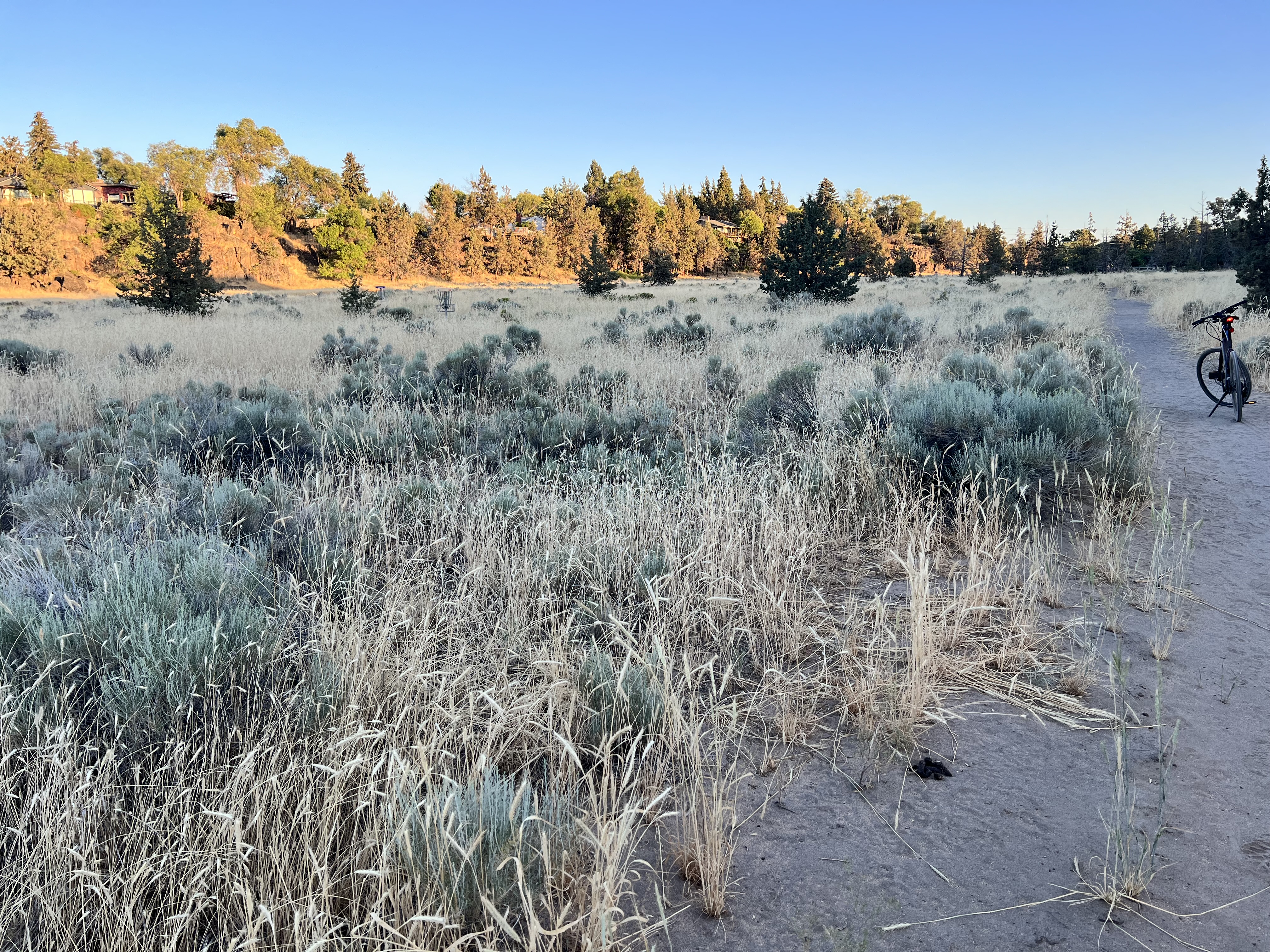
The bottom land in Redmond’s Dry Canyon was used for decades as low quality pasture, the native community pretty much obliterated. Those areas with surface rock are more likely to retain more of the original plant community, although Cheatgrass has invaded much of those areas as well. The is looking southerly over one of the larger ‘pasture’ areas near the disc golf course. There is very little Cheatgrass through this section south of West Rim Park. It includes a few native seral species which typically occupy disturbed sites as a site transitions, including Gray Rabbitbrush you see here. Found in this area too is Secale cereale, Annual Rye, a non-native, which appears to have been planted along more formal paths to limit Cheatgrass spread(?).  Junipers are moving in. Sagebrush hasn’t yet.

It is commonly said that a weed is a plant out of place…and of course ‘we’ are the one’s who decide this. Some will try to argue that there are no weeds, that all plants belong and if we only left weeds alone landscapes would reach a balance on their own. If one’s time frame is long enough this may be the case, though this will take considerably longer than one of our lifetimes, and then there is our inability to actually leave landscapes on their own, or to at least consciously moderate our disturbance of them. Weeds are plants. They are not a separate classification of plants. They are plants removed from their places of origin and released into another where they have competitive advantages. Most people still simply tend to refer to plants they don’t like or want as weeds. These positions are at odds with one another. This leads to confusion and a lack of clarity, undermining any urgency to take action.

Weeds have become ‘personal’, their status a matter of ‘opinion’….A weed is a weed only if “I” agree that it is, or perhaps some ‘expert’, such as when agricultural scientist identify them as an economic threat to farms and label them as ‘noxious’. Without agreement and urgency there is a tendency to do nothing about them. Plants in general are attributed little intrinsic value. For many people they are just there. Native plants we vaguely understand as belonging to a place, but most people would be hard pressed to identify and name many at all. Quite different species are often lumped together, their relationships unnoticed. Natives are reduced to being ‘background’, their status reduced to decoration, attractive or not, a ‘space’ filler, perhaps a hinderance to what we would chose to do with a place. Continue reading

Spruce Park, Redmond’s Newest Park and Our Neighbor: a horticultural critique

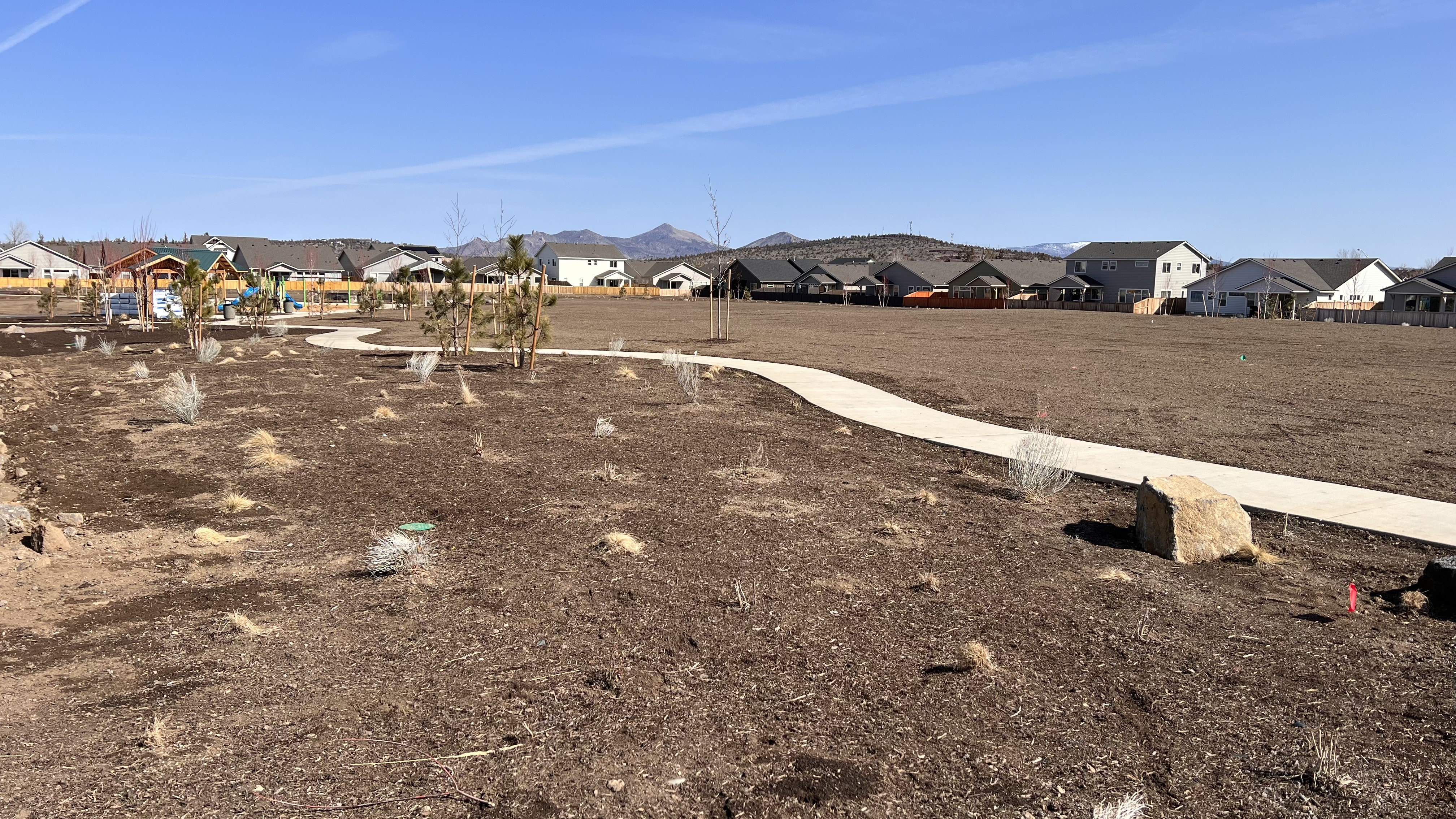
Redmond’s Spruce Park looking NNE from the SW corner toward Gray Butte and Smith Rock in the background. The border beds which follow much of the loop path are ‘native’ plantings according to the conceptual plan. It is common to claim that most of the plants are natives in designed natural areas, but native is not synonymous with ‘natural’. Although natives are used here concessions have been made including such plants as Echinacea purpurea ‘Pow Wow Wildberry’ and Rudbeckia ‘Goldsturm’. In a strict sense Ponderosa Pine aren’t native to this immediate locale either, they require more precipitation than we normally get and the Autumn Blaze Maples are a hybrid of two northeastern North American species.

A landscape, in nature, is a whole, functioning system, capable of perpetuating itself, through out the seasons and years, relying entirely on its own conditions and the cycling of energy and resources occurring on and within it. This is also the definition of a modern sustainable landscape. Ideally they require no inputs or energies supplied from offsite aside from the sun, precipitation and the normal cycling onsite of nutrients and water. A human made, contrived landscape, as all of those built by us today are, may be ‘judged’ by how well they function on ‘their own’, by how well they fit this ideal. Labor and outside inputs necessary to maintain a landscape are then indicators of how out of balance, how far from ‘ideal’ nature and genuine sustainability, a landscape is. A contrived landscape, which ignores the relationships integral to a healthy landscape community ‘demands’ more and more maintenance and support. Given its design and use, a landscape which ignores its site and relationship requirements will deteriorate from the intended design, losing to death component plants while gaining, increasingly, more unwanted available weed species. Design, conditions and use are essential to determine, in this sense, what a ‘good’ landscape is. Continue reading

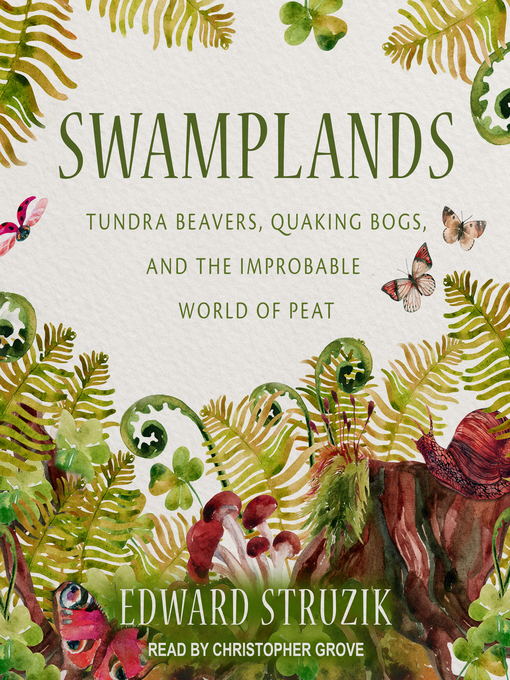
Swamplands: Tundra Beavers, Quaking Bogs and the Improbable World of Peat, a Review

The idea of individuality and control, key elements of the American psyche, are a self-deception. We can take an individual action, guided by an intention, and see its effect in the world around us, but after that, the first ‘tier’ of effects, there are secondary, tertiary and others beyond them, as what we have effected spreads out across space and time, effecting those things, beyond our focus, that nevertheless are in relationship, and do and must respond. If we’re paying attention we can see them and attribute them to others, unaware of our impact. The world is so large and complex, while we individually, commonly see ourselves as relatively ineffectual. We often don’t recognize our own agency and how collective effects propagate from our action. This can also support the idea we ‘can’t’, in a significant way, damage the systems and cycles that support life on Earth. What we must understand though is, that as members of societies and cultures, which share economies and technologies, our ‘individual’ actions are ‘shared’, they are multiplied, often many millions of times. We act individually, but we have tremendous collective impacts. By denying this we deny individual responsibility, which in effect, is a cultural denial, permitting the negative impacts to continue. “It’s just me!” “It doesn’t matter.” “It’s their responsibility, not mine!” These collective problems are then left unaddressed.

It is easy to believe this way. There is so much beyond our own control, so many problems, that it must be this way right? No. We are responsible, collectively. We never truly act independently, because we live in relationship with those around us and their, and our, influence over one another blur. Like it or not, we are a part of a larger society. To go against the conventions and norms of society, to act independently, is risky, to ourselves and the world around us…a risk which can bring with it changes, either positive or destructive. However, going ‘along with’ the norms and conventions of society, unquestioningly, is to possibly continue a potentially destructive practice. We are responsible. We have necessary roles o play. We have been relatively bad as a society at discussing our wider actions, of working to understand our impacts and insuring the security of life and its necessary conditions. Too often we comply, go along and continue doing those things simply because we ‘always’ have, forgetting that as our numbers and use continues to grow, so does the potency of our impact. We have been habitually confusing short term gain and comfort, with longer term survival and good. The consequent results of those unexamined actions can become devastating. To continue ignoring our negative impacts on others, in its broadest sense, is ultimately a threat to our own well being and security. Uninformed actions, actions taken selfishly at other’s expense, threaten the whole, because of the ubiquitous and pervasive connections to the world and between all people, places and organisms. Our denials will not change this. So, why do I bring this up? This is a gardening/horticultural post…because, what we do, or don’t do, in our gardens and across our shared landscapes, has impacts well beyond their borders. Continue reading

Why Bad Things Happen to Good Plants?: On Root Problems, Root Washing, Nursery Practices and Customers

“To be, or not to be? That is the question—Whether ’tis nobler in the mind to suffer The slings and arrows of outrageous fortune, Or to take arms against a sea of troubles, And, by opposing, end them?”  Hamlet.

Is the question we face as gardeners as simple as, To ‘root wash’ or not to ‘root wash’, before planting?  To some today it has become ‘heretical’ to suggest that it might not be just a necessary corrective, but an unmitigated good…and not doing so dooms a plant to failure.  The practice of ‘root washing’ in its present form, is relatively new to gardeners.  Horticulture, which is a system of techniques, traditions and science, that goes back to our own species’ first intentional involvement growing and selecting plants, has not always included it.  Practices develop over wide spans of time.  Many are retained, others pass away. Root washing has been around as a method to assess damage to root systems, to ease and make more efficient division, to study root growth or cleanse them of particular infestations.  ‘Bare-rooting’, during a plant’s winter dormancy in temperate regions, has historically been done in the field when harvesting or transplanting many deciduous trees and woody plants for shipping and ease of transport.  In some circles today root washing has become an almost literal flash point, pitting proponent against opponent, ‘science’ against ‘tradition’…yet another fracture line to divide society. The road of the absolutist, as with many other human practices, tends to create conflict as evidence of correctness is lobbed back and forth.  My own view is that, like so many other things today, the subject is somewhat ‘grayer’. Science can be on both ‘sides’, or neither, and reality is rarely so simplistic. Continue reading